The Art of Apartment Living: Creating a Home That Combines Style, Functionality, and Comfort
A comfortable home is defined by more than its physical dimensions or architectural appearance. It is shaped by the way its spaces are arranged, the convenience of its surroundings, and the atmosphere it creates for the people living there. For this reason, apartment living has become an increasingly attractive option for individuals and families seeking a practical balance between modern convenience and personal comfort.
Contemporary apartments are designed to accommodate a variety of residential needs. Some offer compact layouts for individuals who prefer simple living arrangements, while others provide generous floor plans suitable for larger households. Many developments also incorporate shared recreational facilities, landscaped surroundings, parking arrangements, and security services.
Despite these advantages, finding an appropriate apartment requires thoughtful consideration. A property should complement the resident’s lifestyle, provide sufficient space, and offer a dependable living environment. Understanding the qualities that contribute to a well-designed residential property can make the selection process considerably easier.
How Apartment Design Influences Everyday Living
The design of an apartment has a direct influence on how residents experience their homes. A carefully planned layout allows different household activities to take place comfortably without making the available space feel restrictive.
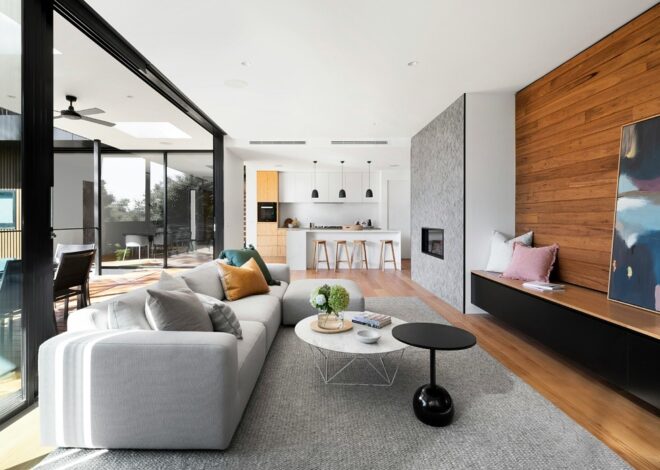
Modern residential architecture often focuses on open living areas, practical storage, natural lighting, and flexible room arrangements. These features help residents make better use of their surroundings.
For example, combining the living and dining areas can create a more spacious atmosphere. Meanwhile, separating bedrooms from common areas provides additional privacy for household members.
A functional apartment design should consider:
- Comfortable room proportions and convenient movement between spaces.
- Appropriate window placement for natural light and ventilation.
- Practical kitchen arrangements with sufficient working surfaces.
- Well-positioned electrical outlets and lighting fixtures.
- Storage facilities that reduce unnecessary clutter.
When these elements work together, even a moderately sized apartment can provide a pleasant and organised residential experience.
Choosing the Right Apartment for Different Life Stages
Residential requirements often change as people move through different stages of life. An apartment that suits an individual living alone may not provide sufficient space for a growing family several years later.
Apartments for Young Professionals
Working professionals frequently prioritise convenient locations, manageable maintenance, and access to commercial districts. A one-bedroom apartment or compact two-bedroom property may provide sufficient accommodation without creating unnecessary financial commitments.
Reliable internet connectivity, a dedicated workspace, and nearby transportation facilities can also be valuable features.
Apartments for Families
Families generally require additional space and practical facilities. Multiple bedrooms, functional kitchens, secure surroundings, and nearby educational institutions may become important considerations.
Access to playgrounds, parks, healthcare services, and grocery stores can also improve everyday convenience.
Apartments for Retired Residents
Older residents may prefer properties with accessible entrances, dependable elevators, suitable bathroom arrangements, and nearby medical facilities.
A peaceful neighbourhood and responsive property management can contribute significantly to residential comfort.
Understanding these differences helps prospective residents select a property that supports their current circumstances while allowing reasonable flexibility for future changes.
The Importance of a Well-Maintained Residential Building
The condition of a residential building influences its appearance, safety, and long-term usability. Regular maintenance helps preserve shared facilities and reduces the likelihood of avoidable problems.
Building maintenance generally involves several responsibilities, including inspecting plumbing systems, maintaining elevators, checking electrical installations, cleaning common areas, and managing waste disposal.
Residents should understand which maintenance activities are handled by the property management team and which responsibilities belong to individual apartment owners or tenants.
Before choosing a property, examine the condition of:
Exterior walls and common areas: Look for visible damage, water stains, deteriorating paint, and poorly maintained corridors.
Water and drainage systems: Check water availability, drainage arrangements, and visible signs of leakage.
Electrical infrastructure: Understand the condition of common electrical systems and the availability of backup power.
Elevators and parking: Examine their general condition, accessibility, and maintenance arrangements.
A properly maintained building generally provides a more dependable environment for its residents.
Making Small Apartment Spaces Feel More Spacious
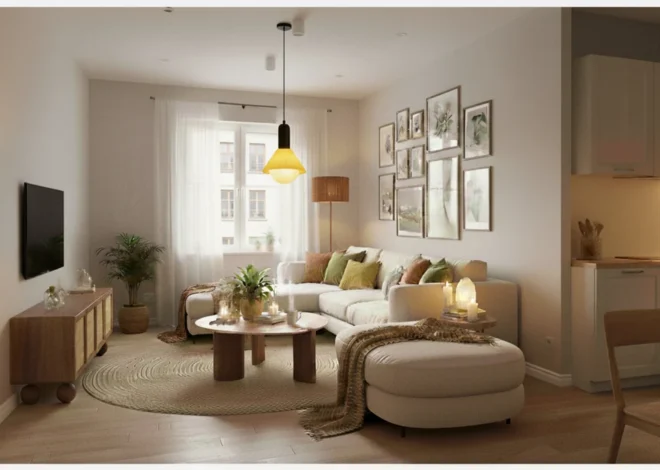
Limited floor space does not necessarily prevent residents from creating attractive and comfortable interiors. Thoughtful furniture selection and organised storage can transform even a compact apartment into a highly functional home.
One effective approach is to prioritise furniture that serves multiple purposes. A sofa bed, extendable dining table, or storage ottoman can provide additional functionality without occupying excessive space.
Vertical storage is another useful solution. Wall-mounted shelves, tall cabinets, and built-in wardrobes help keep everyday belongings organised while leaving more room for movement.
Interior colours and lighting also influence how a room feels. Neutral shades, reflective surfaces, and well-positioned lighting can create an impression of openness.
Residents can further improve their interiors through:
- Using lightweight furniture with simple designs.
- Keeping windows unobstructed to maximise natural light.
- Choosing curtains that complement the room’s proportions.
- Organising belongings according to frequency of use.
- Introducing a few decorative pieces rather than overcrowding surfaces.
These adjustments can make a meaningful difference without requiring expensive renovations.
Understanding the Financial Side of Apartment Ownership
Purchasing an apartment is a substantial financial commitment, so prospective buyers should evaluate the complete cost rather than focusing exclusively on the advertised price.
The initial purchase amount may be accompanied by registration fees, legal expenses, taxes, interior improvements, and other transaction-related charges. Monthly maintenance payments, utility bills, and property taxes should also be included in long-term calculations.
Buyers considering home financing should assess their repayment capacity and compare available loan terms. A manageable monthly instalment is generally preferable to a financial commitment that leaves little room for other household requirements.
Rental arrangements require similar attention. Tenants should understand the security deposit, monthly rent, lease duration, maintenance obligations, and conditions associated with early termination.
Careful financial planning makes it easier to select a property without placing unnecessary pressure on household finances.
Creating a Safe and Welcoming Apartment Community
Apartment living involves sharing certain facilities with other residents. The quality of these shared experiences often depends on effective management and mutual consideration.
Security measures such as CCTV cameras, controlled access points, visitor registration, fire extinguishers, and emergency exits can support a safer residential environment.
However, a pleasant community requires more than physical security. Residents should respect common areas, avoid unnecessary noise, follow waste disposal guidelines, and communicate appropriately with neighbours.
Well-managed residential communities often establish clear rules covering parking, visitor access, pets, renovations, and the use of shared facilities. Understanding these regulations before moving in can prevent disagreements later.
Sustainability in Modern Apartment Developments
Environmental considerations are becoming increasingly relevant in residential planning. Many modern developments incorporate features intended to reduce resource consumption and improve everyday efficiency.
Rainwater harvesting systems, energy-efficient lighting, rooftop solar installations, and organised waste segregation can contribute to more responsible building management.
Residents can also adopt simple sustainable practices within their apartments. Switching off unused electrical appliances, repairing leaking taps, using natural ventilation when appropriate, and reducing single-use materials are practical starting points.
These measures may also help reduce certain household expenses over time.
What Makes an Apartment Worth Considering?
An attractive property should provide a combination of practical benefits rather than relying on appearance alone. Its location should support daily activities, its layout should suit household requirements, and its management arrangements should be reliable.
Prospective buyers and tenants should inspect the property personally, compare similar residential options, and review all relevant documentation before making a commitment.
Speaking with existing residents can also provide useful insight into building maintenance, neighbourhood conditions, and the quality of available facilities.
Conclusion
Apartment living offers a flexible residential option for people with different lifestyles and household requirements. Its appeal comes from convenient locations, varied property configurations, shared amenities, and opportunities to create personalised living spaces.
However, a satisfying residential experience depends on choosing carefully. Building quality, interior functionality, financial commitments, neighbourhood conditions, and community management should all receive appropriate attention.
When these elements are considered together, an apartment can become much more than a convenient place to stay. It can provide a comfortable, organised, and welcoming environment that supports everyday life for years to come.