Apartment Living: How to Choose a Comfortable Home That Suits Your Lifestyle
An apartment is more than a residential space; it is a place where everyday routines, personal preferences, and long-term aspirations come together. For many people, apartment living offers an appealing combination of convenience, security, accessibility, and manageable maintenance. Whether someone is purchasing their first property, relocating for professional opportunities, or searching for a comfortable rental, finding the right apartment can have a lasting influence on their quality of life.
Modern residential developments have changed considerably over the years. Today’s apartments are designed to accommodate different household sizes, lifestyles, and financial circumstances. From compact city residences to spacious family-friendly properties, there are numerous options available. However, choosing a suitable apartment requires more than appreciating its appearance. Location, construction quality, available facilities, neighbourhood conditions, and future requirements all deserve careful consideration.
Understanding What Makes Apartment Living Appealing
One of the primary attractions of apartment living is the opportunity to enjoy a comfortable home without taking responsibility for maintaining an entire independent property. Many residential communities provide shared facilities and professional maintenance services, allowing residents to spend less time managing household responsibilities.
Apartments are particularly attractive to individuals who prefer living close to workplaces, educational institutions, shopping destinations, and public transportation. In busy urban environments, this accessibility can make everyday activities considerably easier.
Another advantage is the variety of residential choices. Prospective residents can explore different layouts, floor plans, interior designs, and price categories before making a decision. This flexibility makes apartment living suitable for young professionals, couples, small families, and retirees.
Important Factors to Consider Before Choosing an Apartment
Selecting the right residential property involves balancing practical requirements with personal expectations. A property may look impressive during an initial visit, but its suitability becomes clearer when everyday living conditions are examined.
1. Location and Neighbourhood
Location should be among the first considerations when evaluating an apartment. A well-positioned property can reduce commuting time and provide convenient access to essential services.
Consider the following neighbourhood features:
- Transportation: Check the availability of public transport, major roads, and convenient commuting routes.
- Educational facilities: Families may benefit from having reputable schools and colleges nearby.
- Healthcare services: Hospitals, clinics, and pharmacies should be reasonably accessible.
- Shopping and recreation: Grocery stores, restaurants, parks, and entertainment facilities contribute to everyday convenience.
It is also worth visiting the neighbourhood at different times of the day. Traffic conditions, noise levels, street lighting, and general cleanliness can vary considerably between morning and evening hours.
2. Apartment Size and Interior Layout
The size of an apartment should reflect the number of residents and their daily requirements. A thoughtfully designed smaller property can sometimes offer greater comfort than a larger apartment with an inefficient layout.
Pay attention to bedroom dimensions, kitchen arrangements, bathroom facilities, storage areas, and natural lighting. Open layouts may create a spacious atmosphere, while clearly separated rooms can provide additional privacy.
Consider future requirements as well. Someone living alone today may eventually need an additional bedroom for a growing family, a home office, or visiting relatives.
3. Construction Quality and Maintenance
A property’s visual appeal should never replace a proper assessment of its construction quality. Examine walls, flooring, windows, electrical fittings, plumbing connections, and ventilation systems.
Look for signs of moisture, cracks, water leakage, or poorly maintained common areas. If possible, request information about the building’s construction history and maintenance arrangements.
A well-maintained apartment building is more likely to provide a comfortable residential environment and help prevent avoidable repair expenses.
Facilities That Improve Everyday Apartment Living
Residential facilities can make a meaningful difference to the overall living experience. While the availability of amenities varies between developments, certain features are particularly useful.
Common facilities include:
- Secure parking arrangements and controlled building access.
- Elevators, power backup, and reliable water supply.
- Fitness centres, swimming pools, and landscaped gardens.
- Children’s play areas and dedicated recreational spaces.
- Community halls and shared gathering areas.
However, prospective residents should evaluate amenities according to their actual needs. A development with numerous luxury facilities may involve higher maintenance charges, even when residents rarely use them.
Understanding the monthly maintenance structure is therefore essential before committing to a property.
Financial Planning When Buying or Renting an Apartment
Financial preparation is an important part of choosing a suitable residence. Buyers should evaluate their available savings, monthly income, existing financial obligations, and potential future expenses.
The purchase price is only one part of the overall financial commitment. Additional costs may include registration fees, legal charges, property taxes, interior improvements, and ongoing maintenance.
Rental properties also require careful evaluation. Prospective tenants should understand the security deposit, monthly rent, maintenance responsibilities, lease duration, and conditions for terminating the agreement.
A sensible financial assessment should account for:
- Initial expenses, including deposits or down payments.
- Regular payments, such as rent, loan instalments, and maintenance fees.
- Occasional expenses, including repairs, furnishings, and household improvements.
Keeping these costs within a manageable budget helps residents enjoy their homes without unnecessary financial pressure.
Creating a Comfortable and Personal Living Environment
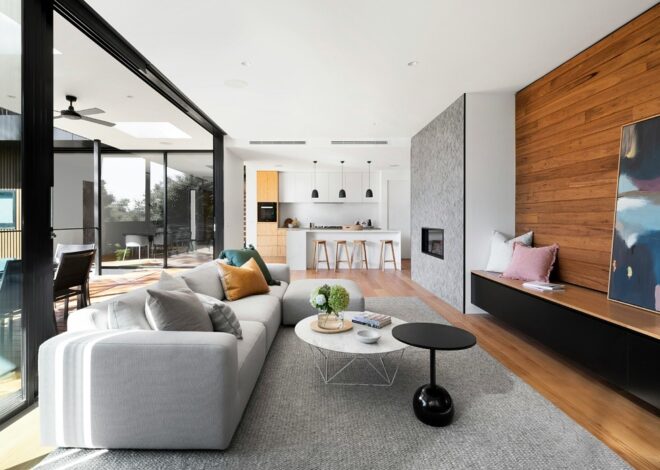
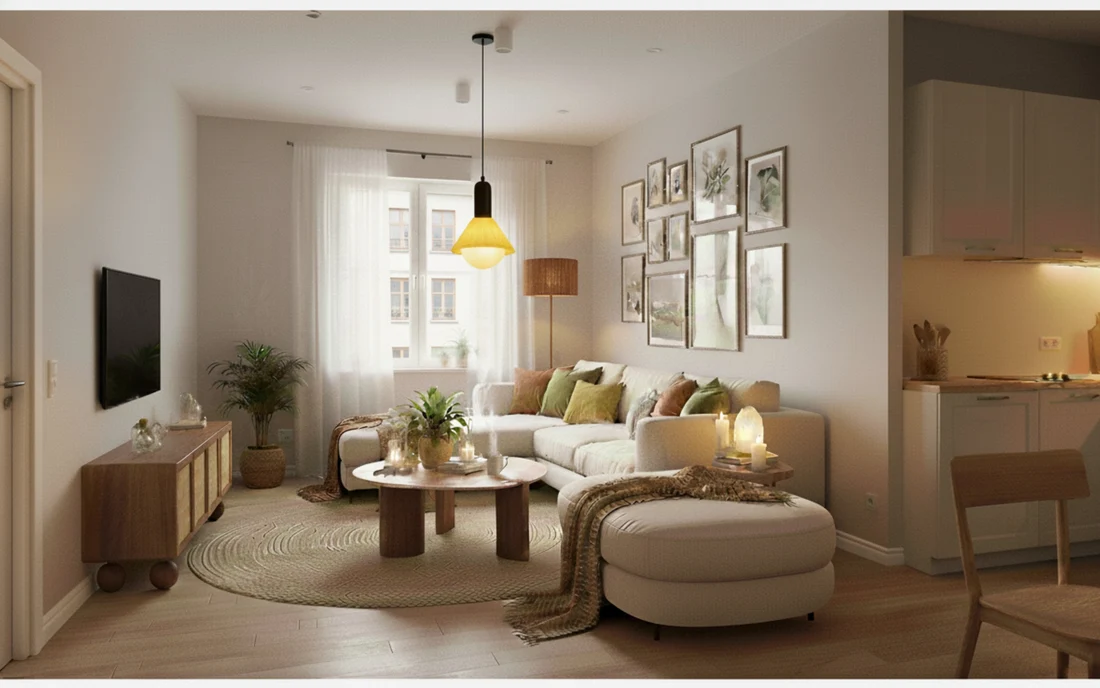
An apartment becomes a home when its interior reflects the personality and preferences of the people living there. Even relatively modest spaces can feel welcoming with thoughtful planning and appropriate furnishings.
Natural light is particularly valuable because it makes rooms appear brighter and more inviting. Light-coloured walls, carefully selected furniture, and practical storage solutions can also improve the appearance of smaller interiors.
A few simple ideas can make a noticeable difference:
- Choose multifunctional furniture to maximise available space.
- Use shelves and concealed storage to maintain an organised appearance.
- Introduce indoor plants to bring freshness into living areas.
- Select lighting according to the purpose of each room.
- Keep frequently used household items easily accessible.
The objective should be to create an environment that balances visual appeal with everyday practicality. An attractive interior is most successful when it also supports comfortable routines.
The Importance of Safety and Community Living
Security is another important consideration when evaluating an apartment. Residents should understand how building access is controlled and whether appropriate safety arrangements are maintained.
Features such as CCTV surveillance, secure entrances, fire safety equipment, emergency exits, and trained security personnel can contribute to a safer residential environment.
Community atmosphere also deserves attention. Apartment living often involves sharing corridors, lifts, parking spaces, and recreational facilities with other residents. Respectful communication and consideration for neighbours help create a pleasant environment.
Before choosing a property, it can be useful to learn about building regulations, visitor policies, waste disposal arrangements, and restrictions concerning pets or renovation work.
Making a Long-Term Residential Decision
Choosing an apartment should involve looking beyond immediate preferences. The surrounding neighbourhood may develop over time, transportation facilities may change, and the property’s maintenance requirements may increase as the building ages.
People purchasing an apartment as a long-term investment should also examine local property demand, rental potential, infrastructure development, and the reputation of the developer. Buyers should verify relevant ownership documents, approvals, and applicable legal requirements before completing a transaction.
For renters, reviewing the agreement carefully and documenting the property’s existing condition can help prevent misunderstandings later.
A property that meets present requirements while offering flexibility for future changes is generally a more practical choice.
Conclusion
Finding the right apartment involves understanding how a residential property will support everyday life. Location, layout, construction quality, amenities, financial commitments, and neighbourhood conditions all contribute to the overall experience.
Rather than focusing exclusively on attractive interiors or impressive facilities, prospective residents should evaluate the practical qualities that make a home comfortable and sustainable. Careful research, property inspections, and realistic financial planning can help individuals make informed decisions.
An apartment should provide more than a place to sleep. It should offer convenience, privacy, security, and an environment where residents can feel genuinely comfortable. With the right preparation, choosing a suitable apartment becomes a thoughtful decision that supports both present needs and future aspirations.

Related Posts
The Art of Apartment Living: Creating a Home That Combines Style, Functionality, and Comfort
Apartment Selection Guide: Essential Things to Know Before Choosing Your Next Home