Apartment Selection Guide: Essential Things to Know Before Choosing Your Next Home
Finding a suitable place to live is an important decision that influences daily comfort, financial stability, and personal well-being. An apartment can offer an attractive residential solution for people who appreciate convenience, manageable maintenance, and access to essential facilities. From compact urban residences to spacious family homes, modern apartment developments provide a variety of options designed to accommodate different lifestyles.
However, choosing a residential property involves considerably more than comparing photographs or selecting an attractive interior. Factors such as neighbourhood quality, building structure, room arrangements, security, and ongoing expenses can determine whether a property remains suitable over time. Understanding these details before making a commitment can help prospective residents avoid unnecessary complications and find a home that genuinely meets their expectations.
Understanding the Different Types of Apartments
Apartments are available in several configurations, each offering different advantages depending on household requirements and personal preferences.
Studio Apartments: These properties combine the living, sleeping, and kitchen areas within a compact layout. They are often suitable for individuals who prefer a simple residential arrangement.
One-Bedroom Apartments: Featuring a separate bedroom and living area, these properties provide additional privacy while maintaining a relatively manageable footprint.
Two-Bedroom Apartments: These homes offer greater flexibility for couples, small families, or individuals who require an additional room for guests or professional activities.
Three-Bedroom Apartments: Larger households often prefer these properties because they provide separate spaces for family members, visitors, and household activities.
Luxury Apartments: These developments may include premium interiors, spacious balconies, landscaped surroundings, recreational facilities, and additional residential services.
Understanding these options makes it easier to narrow down properties according to available space, lifestyle, and budget.
Assessing the Quality of the Building
The condition of the building is one of the most important aspects of apartment selection. An attractive exterior may create a positive first impression, but the actual construction quality deserves closer attention.
During a property visit, examine the walls, ceilings, flooring, windows, and doors. Look for visible cracks, damp patches, peeling paint, or signs of water leakage. These issues may indicate maintenance problems that require further investigation.
Electrical and plumbing systems should also be checked carefully. Reliable water pressure, properly functioning drainage, sufficient electrical outlets, and appropriate ventilation contribute to everyday convenience.
If purchasing an apartment, requesting information about the developer, construction materials, completion status, and building approvals can provide additional confidence.
Why Floor Planning Matters
A well-designed floor plan can significantly improve the functionality of a residential property. Even when two apartments have similar dimensions, their layouts may create very different living experiences.
An efficient arrangement provides comfortable movement between rooms while maintaining suitable separation between private and shared spaces.
For example, placing bedrooms away from noisy living areas can improve privacy. A kitchen positioned near the dining space may make meal preparation and serving more convenient.
When reviewing an apartment layout, consider the following details:
- Whether bedrooms offer sufficient space for essential furniture.
- Whether the kitchen provides practical working surfaces and storage.
- Whether bathrooms are conveniently positioned.
- Whether balconies and windows provide adequate light and ventilation.
- Whether available storage can accommodate everyday belongings.
A practical layout often contributes more to residential satisfaction than decorative features alone.
Location and Surrounding Infrastructure
The neighbourhood surrounding an apartment can influence everyday routines as much as the property itself. A well-connected residential area may offer easier access to workplaces, educational institutions, healthcare services, and shopping destinations.
Before choosing a property, evaluate the accessibility of nearby facilities. Consider whether public transportation is available and whether major roads become congested during peak commuting hours.
The immediate surroundings also deserve attention. Clean streets, organised waste disposal, adequate street lighting, and maintained public spaces contribute to a comfortable neighbourhood.
Families may prioritise nearby schools and parks, while working professionals might prefer locations with convenient access to commercial districts.
It is also worth understanding the area’s development plans. New roads, transport connections, and commercial projects may influence residential demand and property values over time.
Facilities That Make Everyday Life Easier
Modern apartment developments often provide shared facilities intended to improve residents’ daily experiences. These amenities can be particularly useful for people who prefer having recreational and practical services within their residential community.
Common facilities may include:
- Dedicated parking areas for residents and visitors.
- Elevators and backup power arrangements.
- Fitness rooms and outdoor exercise spaces.
- Landscaped gardens and walking paths.
- Children’s play areas and community gathering spaces.
- Security systems and controlled building entrances.
Although these features can add convenience, their maintenance arrangements should be examined carefully. Residents should understand the associated charges and whether the facilities are regularly inspected and maintained.
Managing the Financial Responsibilities of Apartment Living
A residential property should fit comfortably within an individual’s financial capacity. Purchasing or renting an apartment involves several expenses that should be considered before signing any agreement.
For buyers, the initial purchase price may be accompanied by registration charges, legal expenses, taxes, loan-related costs, and interior furnishing requirements. Monthly maintenance fees and utility bills also contribute to ongoing ownership expenses.
Tenants should carefully examine rental conditions, security deposits, payment schedules, lease duration, and responsibilities for repairs.
A realistic budget should account for both predictable payments and unexpected expenses. This approach makes it easier to maintain financial stability while enjoying a comfortable living environment.
Comparing multiple properties within a similar price range can also reveal differences in construction quality, location, available facilities, and overall value.
Interior Design Ideas for a Functional Apartment
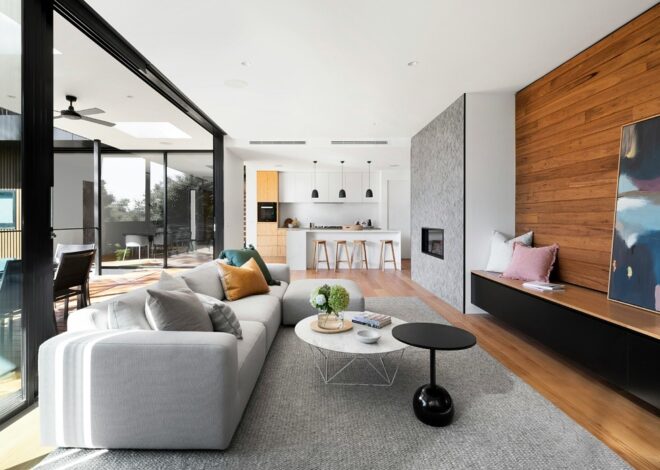
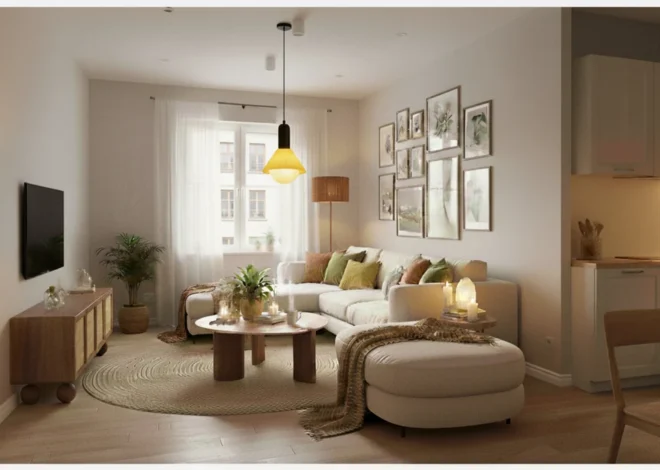
Interior planning allows residents to make their apartments more welcoming without requiring extensive structural changes. The most successful designs combine attractive finishes with practical arrangements.
Light-coloured walls can help smaller rooms appear more open, while mirrors may improve the distribution of natural light. Furniture should be selected according to room dimensions rather than appearance alone.
Storage is particularly important in compact apartments. Built-in wardrobes, under-bed compartments, and wall-mounted cabinets can reduce clutter while preserving valuable floor space.
Indoor plants, carefully selected lighting, and comfortable fabrics can introduce warmth and character into living areas.
A consistent design approach also helps different rooms feel connected. Instead of filling every available corner with decorative objects, residents can create a balanced atmosphere by choosing a few meaningful furnishings and accessories.
Security and Residential Management
Safety arrangements should be considered before finalising an apartment. Secure entrances, CCTV monitoring, appropriate fire safety equipment, emergency exits, and well-maintained common areas can contribute to residents’ peace of mind.
The quality of property management is equally important. A responsible management team should address maintenance requests, organise necessary repairs, maintain shared facilities, and communicate building regulations clearly.
Prospective residents can also speak with existing occupants to understand how effectively the residential community is managed. Their experiences may provide useful information about recurring maintenance issues, noise levels, and general living conditions.
Making a Confident Final Decision
Before committing to a property, arrange a thorough inspection and review all relevant documents. Buyers should verify ownership records, applicable building approvals, and contractual terms. Renters should understand the complete rental agreement, including responsibilities for maintenance and property damage.
Avoid making decisions under unnecessary pressure. Taking time to compare available options helps identify a property that offers a suitable combination of comfort, quality, and affordability.
Conclusion
Selecting an apartment is a significant residential decision that deserves careful research and realistic planning. The right property should accommodate everyday activities, provide a comfortable environment, and remain financially manageable.
By evaluating construction quality, floor planning, neighbourhood facilities, security, and ongoing expenses, prospective residents can make more informed choices. A thoughtfully selected apartment offers more than convenient accommodation; it provides a dependable setting where individuals and families can establish routines, enjoy their surroundings, and feel at home.