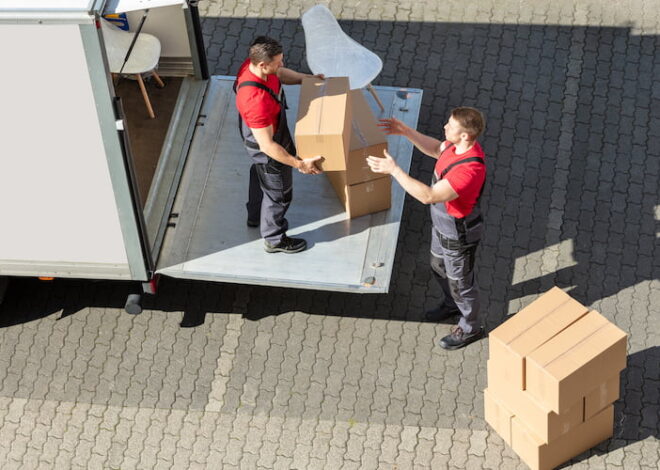
Professional Movers and the Changing Demands of Modern Relocation
The moving industry has developed considerably as customer expectations have changed. People increasingly look for dependable services that offer flexibility, careful handling, transparent pricing, and convenient scheduling. Rather than managing every responsibility independently, many households and businesses prefer working with experienced moving professionals who understand the complexities of transportation and property relocation.
The Growing Importance of Professional Moving Services
Relocation involves several interconnected activities, including sorting belongings, arranging packing materials, dismantling furniture, loading vehicles, and coordinating deliveries. When these responsibilities are handled without a clear plan, delays and unexpected complications can quickly arise.
Professional movers bring structure to the process. Their teams generally follow established procedures for assessing belongings, preparing transportation arrangements, and organising the movement of different items.
Their assistance is particularly valuable when:
- A household contains large quantities of furniture and personal possessions.
- Relocation involves travelling between different cities.
- Heavy appliances require specialised handling.
- A business needs to transport office equipment and important resources.
- Customers have limited time to manage the physical aspects of moving.
Having experienced professionals manage these responsibilities can make relocation more predictable and less physically demanding.
How Movers Organise a Relocation
A successful move generally begins well before the transportation vehicle arrives. Proper preparation allows moving teams to understand the customer’s requirements and determine the resources needed for the assignment.
Initial Assessment and Planning
The first stage involves evaluating the property, the quantity of belongings, transportation distance, and any special handling requirements. Some moving companies conduct physical inspections, while others use photographs or digital inventories to understand the scope of work.
This information helps determine the number of workers, packing materials, vehicle capacity, and estimated completion time.
A detailed plan also identifies potential difficulties, such as narrow staircases, limited parking, restricted building access, or oversized furniture.
Packing and Labelling
Packing is one of the most important parts of relocation because it directly influences how safely belongings are transported.
Professional movers use different materials according to the nature of the items. Corrugated cartons, bubble wrap, furniture blankets, protective sheets, and reinforced containers are commonly used.
Labelling also plays an important role. Identifying the destination room and describing the general contents of each box helps make unloading and unpacking more efficient.
Fragile possessions should receive clear markings and appropriate protective packaging.
Loading and Transportation
Once packing is complete, belongings must be loaded carefully into the moving vehicle. Heavy objects generally require appropriate positioning to maintain balance, while delicate items need protection from unnecessary movement.
Professional teams use equipment such as moving dollies, lifting straps, and protective coverings when appropriate.
During transportation, the company should follow the agreed delivery arrangements and communicate any significant scheduling changes.
Different Relocation Requirements and Suitable Services
Every moving assignment presents its own challenges. A reliable moving company should be able to explain which services are available and whether they are appropriate for the customer’s circumstances.
Household Relocation
Residential moving services support individuals and families changing their place of residence. These assignments often involve furniture, clothing, kitchen equipment, decorative accessories, electronics, and personal belongings.
A complete household moving service may include packing, furniture dismantling, loading, transportation, unloading, and unpacking.
Corporate and Office Relocation
Moving a business requires a more structured approach because operational resources must be transported without unnecessary disruption.
Office movers may handle workstations, filing cabinets, conference furniture, computers, printers, and other equipment.
An organised relocation schedule can help businesses prioritise essential departments and prepare their new premises before employees arrive.
Interstate and Long-Distance Moving
Long-distance transportation requires additional attention to route planning, delivery schedules, vehicle suitability, and the protection of belongings throughout the journey.
Customers should clarify whether their quotation includes loading, unloading, transportation, and any additional storage requirements.
Furniture and Large Item Moving
Some customers need assistance with only a few substantial possessions rather than an entire property. Large wardrobes, refrigerators, sofas, dining tables, and specialised equipment can be difficult to transport without appropriate handling techniques.
Dedicated furniture moving services can provide practical support for these requirements.
Qualities That Distinguish Reliable Movers
Choosing a moving company should involve more than comparing promotional offers. The provider’s professionalism, communication, experience, and service conditions all deserve attention.
Experience and practical knowledge: Teams familiar with different types of relocation are generally better prepared to handle unexpected situations.
Proper equipment: Suitable vehicles, lifting tools, protective materials, and packing supplies contribute to safer transportation.
Clear communication: Customers should receive understandable information about schedules, responsibilities, costs, and delivery arrangements.
Transparent quotations: Written estimates should explain the services included and identify any additional charges.
Appropriate protection: Customers should understand the company’s liability terms and available insurance arrangements before handing over their possessions.
A dependable moving company should be willing to answer questions rather than pressuring customers into making immediate decisions.
Practical Ways to Reduce Moving Difficulties
Even when professional movers are involved, customers can take several steps to improve the overall experience.
Start by sorting belongings several weeks before the scheduled relocation. Unused clothing, outdated household equipment, and unnecessary furniture can be donated, sold, or responsibly discarded.
Preparing an inventory also makes it easier to track important possessions and identify anything that requires specialised handling.
Other useful preparations include:
- Keeping important documents and personal valuables separately.
- Informing the moving team about fragile or unusually heavy belongings.
- Confirming building access and parking arrangements.
- Preparing a separate box containing essential everyday supplies.
- Photographing valuable furniture and electronics before transportation.
These small measures can reduce confusion and make the moving process more organised.
Understanding the Financial Aspects of Hiring Movers
Moving expenses depend on several variables. Property size, transportation distance, total volume of belongings, labour requirements, and packing preferences can all influence the final quotation.
For instance, a small local relocation may require only a modest vehicle and a limited team, whereas a large household moving between cities could involve additional workers, specialised packaging, and more extensive transportation arrangements.
Customers should request detailed quotations and compare the actual services offered rather than focusing exclusively on the lowest price.
It is also important to ask about potential additional costs, including stair access, extended waiting periods, storage, dismantling, and special handling.
A clear financial agreement helps prevent disagreements and allows customers to plan their relocation expenses more accurately.
The Role of Customer Service in a Successful Move
Moving can involve considerable emotional and practical pressure. Customers may be leaving a familiar neighbourhood, managing family responsibilities, or coordinating a business transition.
Professional customer service can make these circumstances easier to manage. A responsive company should provide timely updates, explain the moving procedure, and address concerns throughout the assignment.
Customers should know whom to contact if delivery arrangements change or an unexpected issue occurs.
After transportation, a final inventory check can help confirm that all belongings have arrived and that any reported damage is documented appropriately.
How the Moving Industry Is Adapting to Modern Expectations
Technology and changing customer preferences are influencing the way moving companies operate. Digital quotations, online booking systems, electronic inventories, and improved communication tools are making relocation services more accessible.
Some companies also offer flexible scheduling and storage arrangements for customers whose new properties are not immediately ready.
Environmental considerations are becoming increasingly relevant as well. Reusable packing containers, recyclable cardboard, efficient route planning, and reduced packaging waste can support more responsible moving practices.
These developments demonstrate how the industry is responding to the demand for convenient, organised, and environmentally conscious relocation services.
Conclusion
Professional movers provide valuable assistance by managing the physical and logistical responsibilities associated with relocation. Their experience in packing, furniture handling, transportation, and delivery can make residential and commercial moves considerably easier.
However, selecting the right provider remains essential. Customers should examine company experience, service quality, pricing arrangements, and protection policies before confirming a booking.
With early preparation and dependable professional support, moving does not have to become an overwhelming experience. A carefully organised relocation allows individuals and businesses to concentrate on settling into their new surroundings and making a positive start.