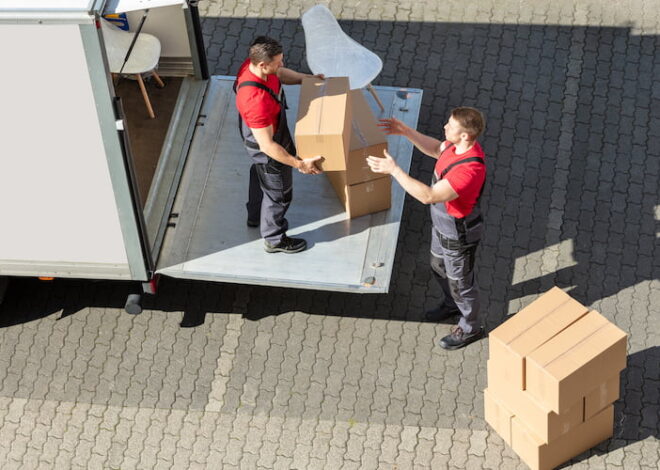
Choosing Professional Movers: Making Every Relocation More Organised, Secure, and Stress-Free
Moving companies provide services designed to simplify the different stages of relocation. From packing household furniture to loading, transportation, unloading, and arranging belongings at the destination, experienced movers can handle many responsibilities that would otherwise require considerable time and physical effort. Their knowledge of handling techniques and transportation arrangements can also help protect valuable possessions throughout the process.
Understanding the Role of Professional Movers
Movers are professionals who assist with transporting personal belongings, furniture, office equipment, and other possessions between locations. Their responsibilities vary depending on the service selected and the specific requirements of each customer.
Some individuals require assistance with heavy furniture and transportation, while others prefer complete relocation support that includes packing, labelling, loading, delivery, and unpacking.
Professional movers generally help with several important tasks:
- Packing household items using appropriate protective materials.
- Disassembling and preparing large furniture for transportation.
- Loading belongings safely into suitable vehicles.
- Transporting possessions according to the agreed schedule.
- Unloading and placing items at the new property.
Their practical experience can make complicated relocations more manageable, particularly when customers have limited time or large quantities of belongings.
Why Hiring Experienced Movers Makes a Difference
Managing an entire relocation independently may initially appear economical, but it often requires more effort than expected. Finding suitable transportation, arranging packing supplies, lifting heavy objects, and coordinating helpers can become challenging.
Professional movers bring an organised approach to these responsibilities. Their experience allows them to plan the process according to the quantity, size, and nature of the items being transported.
Better Protection for Personal Belongings
Furniture, electronics, glassware, artwork, and decorative accessories require different handling methods. Improper packing or careless loading can result in scratches, breakage, or other damage.
Experienced movers understand how to use protective wrapping, cushioning materials, furniture covers, and suitable containers. Fragile possessions can be separated and labelled so that they receive appropriate attention during transportation.
Efficient Use of Time
Relocation often takes place alongside other personal or professional responsibilities. People may need to manage employment commitments, property documentation, utility transfers, and family arrangements.
A professional moving team can handle many physical tasks simultaneously, reducing the amount of time customers must dedicate to the actual transportation process.
Safer Handling of Heavy Furniture
Moving large wardrobes, beds, appliances, and office equipment requires suitable techniques. Incorrect lifting can damage belongings, walls, doorways, and flooring.
Trained movers generally understand how to distribute weight, manoeuvre bulky objects, and use appropriate equipment to make handling safer and more controlled.
Different Types of Moving Services
Not every relocation follows the same pattern. Moving companies offer different services to accommodate residential, commercial, and specialised transportation requirements.
Residential Moving
Residential movers assist individuals and families who are changing homes. Their services may include packing kitchenware, clothing, furniture, appliances, and personal belongings.
A well-organised residential move begins with assessing the quantity of household items and identifying any special handling requirements.
Office and Commercial Moving
Business relocations involve additional planning because equipment, documents, furniture, and workplace resources must be transported without unnecessary disruption.
Commercial movers may assist with:
- Packing office furniture and electronic equipment.
- Organising files and identifying labelled containers.
- Transporting computers, printers, and workplace supplies.
- Coordinating the movement of departmental resources.
- Delivering items according to an agreed relocation schedule.
A structured approach helps businesses resume normal operations more efficiently.
Long-Distance Moving
Relocating between cities or regions requires additional transportation planning. Distance, road conditions, delivery schedules, and the nature of transported belongings all influence the process.
Professional movers can help customers understand transportation arrangements and coordinate deliveries according to the agreed terms.
Specialised Moving
Certain possessions require additional care because of their size, value, or delicate construction. Musical instruments, antiques, artwork, large appliances, and specialised equipment may need customised packing and handling arrangements.
Customers should inform the moving company about such items before the relocation date.
How to Prepare for a Successful Move
Although professional movers handle many practical responsibilities, customers can improve the experience through advance preparation. A little organisation before moving day can prevent confusion and make the entire process more efficient.
Create a Detailed Moving Inventory
Start by listing the major items that need transportation. This makes it easier to estimate the required vehicle size, packing materials, and number of workers.
An inventory can also help identify belongings that should be donated, sold, discarded, or transported separately.
Organise Belongings Room by Room
Sorting possessions according to their location makes packing and unpacking considerably easier. Kitchen supplies, bedroom accessories, office materials, and bathroom essentials should be grouped separately.
Clearly labelled boxes help movers identify where each container belongs at the destination.
Protect Important Documents and Valuables
Passports, financial records, jewellery, personal identification, and other important belongings should receive special attention. Whenever practical, customers should transport particularly valuable or essential personal items separately.
Confirm Moving Arrangements
Before moving day, reconfirm the collection address, destination, schedule, vehicle requirements, and agreed services.
Customers should also clarify parking arrangements, building access, elevator availability, and any restrictions that could affect loading or unloading.
What to Consider When Selecting a Moving Company
Choosing the right moving company is an important decision because customers are trusting professionals with possessions that may have financial or sentimental value.
Instead of selecting a provider solely because of an attractive quotation, evaluate its experience, reputation, service conditions, and communication standards.
Consider these factors:
- Industry experience: Look for movers who regularly handle relocations similar to yours.
- Customer feedback: Read independent reviews to understand previous customers’ experiences.
- Transparent pricing: Request a written quotation that explains the services and additional charges.
- Insurance and liability: Understand what protection is available if belongings are lost or damaged.
- Service agreement: Review delivery arrangements, cancellation conditions, and payment requirements.
- Professional communication: Choose a company that responds clearly to questions and provides useful information.
Obtaining quotations from multiple providers can also help customers compare services and make a more informed decision.
Understanding Moving Costs and Budget Planning
The cost of hiring movers depends on several factors, including transportation distance, property size, quantity of belongings, packing requirements, and accessibility.
For example, relocating a small apartment within the same neighbourhood may require fewer resources than transporting a fully furnished family home between distant cities.
Additional services such as furniture dismantling, specialised packaging, temporary storage, and unpacking may influence the final quotation.
Customers should request a detailed cost breakdown before confirming a booking. This helps avoid misunderstandings and makes it easier to plan the relocation budget.
Making the New Property Ready Before Arrival
Preparation should not stop once belongings leave the previous property. The destination should also be ready to receive the moving team.
Cleaning the new premises, checking electrical connections, confirming water availability, and identifying suitable furniture positions can make unloading more organised.
It is useful to prepare one separate box containing essential items such as toiletries, basic kitchen supplies, chargers, medications, and a change of clothing. Keeping these necessities accessible reduces the inconvenience of searching through numerous containers immediately after arrival.
Conclusion
Professional movers make relocation more manageable by combining practical experience, suitable equipment, and organised transportation services. Their assistance can reduce physical effort, protect household possessions, and help individuals and businesses approach moving day with greater confidence.
However, a successful relocation also depends on preparation and selecting a dependable service provider. Comparing quotations, checking company credentials, organising belongings, and confirming transportation arrangements can prevent many common difficulties.
Whether moving a small apartment, a family residence, or an entire commercial workspace, the right movers can make a considerable difference. With careful planning and professional assistance, relocating becomes a more organised process and an opportunity to begin comfortably in a new environment.