Maximizing Natural Light Throughout Your Entire Home
Introduction to the Power of Daylight
Natural light serves as one of the most transformative elements in residential interior design. Beyond lowering electricity bills by reducing artificial lighting needs, sunlight floods spaces with positive energy, boosts human circadian rhythms, enhances mood, and makes interior spaces feel significantly larger and more welcoming. However, architectural constraints, poor window placement, and heavy furnishings often block light from penetrating deep into a home. Maximizing natural light requires a strategic combination of structural modifications, intelligent interior layouts, and surface treatments designed to capture, reflect, and distribute daylight across every room.
Strategic Architectural Modifications for Sunlight Capture
When structural adjustments are feasible, implementing architectural changes yields the most dramatic improvements in natural illumination. These modifications alter how daylight enters the building envelope.
-
Installing Skylights and Tubular Daylighting Devices: Roof windows and solar tubes channel direct overhead sunlight down into dark top-floor hallways, bathrooms, and kitchens where vertical windows cannot reach.
-
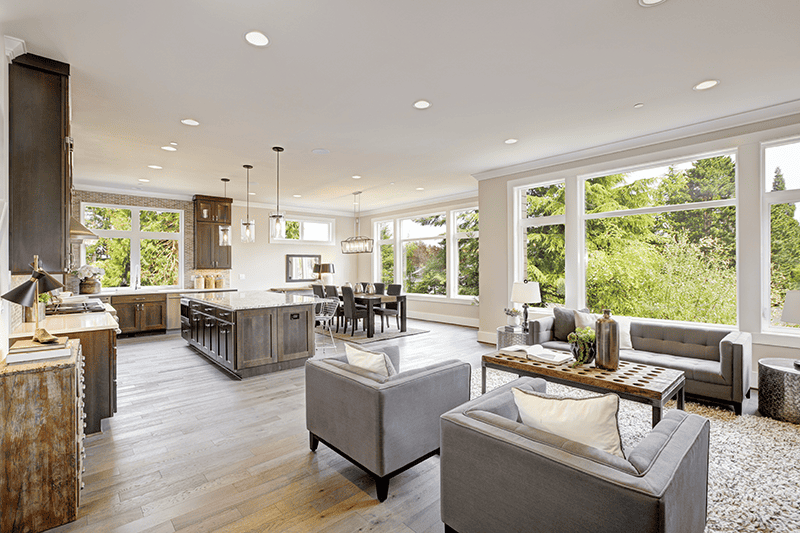
Expanding Window Openings: Replacing small, standard windows with expansive floor-to-ceiling glass panels or wide picture windows radically increases the volume of incoming light.
-
Adding Transom Windows: Placing small, horizontal glass panels above interior or exterior doorways allows daylight to flow freely between adjacent rooms and dark corridors.
-
Replacing Solid Doors with Glass Panels: Swapping solid wood interior doors for frosted or clear glass french doors prevents hallways from acting as dead ends for incoming sunlight.
Interior Layout Adjustments to Keep Pathways Clear
Even with abundant window space, poorly arranged furniture can block light before it travels across the room. Optimizing the floor plan ensures sunlight has an unobstructed path.
In living rooms and bedrooms, low-profile furniture should be positioned beneath windows or oriented perpendicular to exterior walls. Tall, bulky bookshelves, armoires, and storage units should never be placed directly in front of window frames. Instead, place tall cabinetry along interior partition walls where it will not cast long shadows across the floor. In open concept spaces, keeping sightlines clear from exterior windows to interior dining or seating zones allows daylight to penetrate deep into the core of the house.
Harnessing Reflective Surfaces and Finishes
Light is easily absorbed by dark, matte surfaces, but it bounces effortlessly off smooth, glossy finishes. Leveraging reflection is a powerful way to multiply the impact of available natural light.
-
High-Gloss and Polished Flooring: Polished concrete, light hardwood with a satin or semi-gloss finish, and large-format porcelain tiles act as horizontal mirrors, bouncing incoming window light upward.
-
Mirrored Walls and Strategic Mirror Placement: Hanging a large mirror directly opposite or adjacent to a primary window instantly doubles the visual presence of daylight, tricking the eye into seeing an additional window.
-
Glossy and Metallic Accents: Incorporating brass, chrome, polished nickel, and glass table tops helps catch and scatter light rays around dim corners of a room.
-
Satin and Semi-Gloss Wall Paints: Selecting light, highly reflective paint sheens for walls and ceilings ensures that sunlight hitting a surface is bounced back into the room rather than absorbed.
Selecting Light-Enhancing Window Treatments
Heavy velvet draperies and opaque, dark blinds trap natural light and seal rooms off from the outdoor environment. Modernizing window treatments maximizes sunlight entry while maintaining privacy.
Opt for lightweight, translucent fabrics like sheer linen, cotton voile, or loose-weave gauze that filter harsh direct glare while allowing soft daylight to diffuse throughout the space. When privacy is required, top-down bottom-up cellular shades offer the perfect compromise, allowing the top half of the window to remain completely open to the sky while the lower half is covered. Furthermore, mounting curtain rods several inches wider and higher than the window frame allows drapes to be pulled completely clear of the glass, exposing the entire window opening to the room.
Managing Landscaping and Exterior Obstructions
Many homeowners overlook the exterior environment when troubleshooting dark interiors. Overgrown trees, dense shrubbery, and neighboring structures often cast heavy shadows that choke off natural light before it ever reaches the glass.
Trimming low-hanging tree branches near windows instantly brightens interior spaces without sacrificing outdoor privacy. Replacing dense, opaque privacy fences with open slat designs or planting reflective white flowering bushes near south-facing windows can also bounce additional exterior light inward. For homes tightly wedged between neighbors, keeping exterior window glass meticulously clean ensures that dust, pollen, and hard water spots do not impede the transmission of sunlight.
Frequently Asked Questions
How does the orientation of a house impact its natural lighting strategy?
House orientation dictates when and how sunlight enters the building. South-facing windows receive warm, consistent light throughout the day, north-facing windows provide cool, indirect light, east-facing windows catch bright morning sun, and west-facing windows capture intense afternoon glare.
Are there specific paint colors that reflect natural light better than stark white?
While bright white reflects the highest percentage of light, soft off-whites, pale creams, warm greiges, and light pastel undertones also perform exceptionally well while preventing rooms from feeling clinical or sterile.
Can smart home automation help optimize natural light usage indoors?
Automated motorized roller shades and smart window tints can be programmed to open and close based on the sun position throughout the day, maximizing solar heat gain in winter and blocking harsh glare during peak summer afternoons.
What is the most cost-effective way to increase natural light without major remodeling?
Hanging large decorative mirrors strategically opposite windows and replacing heavy dark draperies with lightweight linen sheers represents the most affordable, high-impact method to brighten a dim home instantly.
Do skylights cause excessive heat gain during hot summer months?
Modern skylights feature advanced Low-E glass coatings and solar-controlled tinting that reflect infrared heat while still allowing visible natural light to pass through, keeping indoor temperatures comfortable.
How do glass stair risers or open staircases improve home illumination?
Open staircases and glass stair risers eliminate solid physical barriers that traditionally trap light between floors, allowing upper-level daylight to cascade down into the basement or ground floor.
Does interior lighting color temperature affect how natural light is perceived?
Pairing natural daylight with warm white LED bulbs with a color temperature around 2700K during evening hours ensures a smooth visual transition when daylight fades without making interior spaces feel uncomfortably blue or harsh.