How Statement Furniture Can Anchor an Entire Room Design
Introduction to Spatial Anchors in Interior Design
Designing a room from scratch often feels overwhelming when facing a blank slate of empty walls and bare flooring. Without a clear starting point, spaces can easily turn into a random collection of lovely items that lack cohesion or purpose. Professional interior designers rely on a foundational concept known as spatial anchoring to solve this challenge. By introducing a single, commanding piece of furniture, the entire room gains a gravitational pull. This centerpiece dictates traffic flow, establishes the color palette, and sets the stylistic tone, transforming a disconnected collection of objects into a unified, harmonious living environment.
Defining What Makes a True Statement Piece
Not every large or expensive furniture item qualifies as a true statement piece. True statement furniture commands attention through distinct characteristics that set it apart from ordinary background furnishings.
-
Architectural Silhouette: Unusual shapes, dramatic curves, or striking structural lines immediately draw the eye and break the monotony of standard boxy layouts.
-
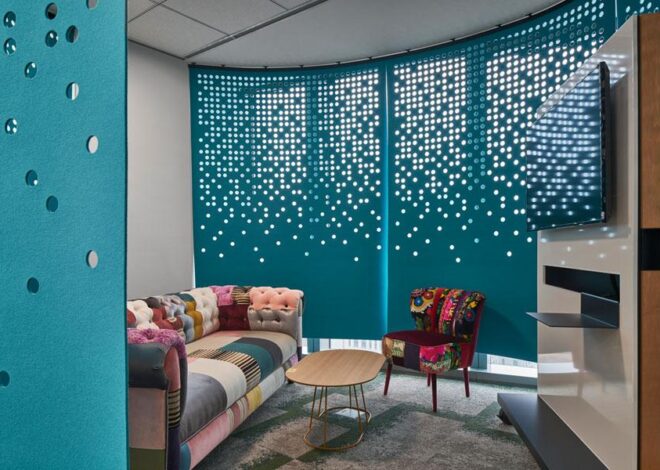
Bold Color or Contrast: A vibrant jewel tone, deep saturated hue, or sharp material contrast against the surrounding walls creates an instant visual focal point.
-
Distinct Textural Richness: Heavy wood grains, hammered metals, intricate hand-carved details, or tactile upholstery give a piece physical presence and depth.
-
Artistic Merit: Many statement pieces blur the line between functional furniture and sculptural art, serving as conversation starters the moment someone enters the space.
When a piece possesses these qualities, it stops being merely functional and becomes the artistic anchor of the room.
Establishing the Visual Focal Point
Every well-designed room requires a natural focal point that guides the human eye upon entry. In traditional homes, this role traditionally fell to a masonry fireplace. In modern apartments or homes without architectural fireplaces, a statement furniture piece steps in to fill that exact vacancy.
Positioning a bold sofa, an oversized wingback chair in a striking pattern, or a monumental live-edge dining table creates an immediate visual destination. Once this primary focal point is established, secondary furnishings can be arranged in relation to it. Rather than fighting for attention, smaller chairs, side tables, and media consoles naturally fall into supporting roles, creating a balanced and orderly spatial hierarchy.
Building a Harmonious Color Palette from a Single Source
Choosing a cohesive color scheme for a room often induces decision fatigue. Selecting wall paint, rug colors, window treatments, and accessories all at once leaves too much room for error. A statement furniture piece simplifies this entire workflow by serving as the master color palette reference.
If an accent chair features a rich emerald green velvet upholstery threaded with hints of brass and charcoal, the design path becomes clear. The emerald green dictates accent tones for throw pillows and artwork, the brass points toward hardware finishes for lighting fixtures and drawer pulls, and the charcoal informs the neutral base of the area rug and drapery. By extracting colors directly from the anchor piece, the room achieves effortless visual harmony without clashing hues.
Balancing Scale and Proportion in Room Layouts
One of the most common pitfalls in interior design is misjudging scale, resulting in rooms that feel either claustrophobic or starkly empty. A statement piece acts as the scale benchmark for the entire space.
When working with a grand room featuring high ceilings, a small sofa or a delicate coffee table gets lost, making the space feel uninviting. Introducing a massive, sculptural sectional or an oversized credenza establishes the correct proportional baseline. Conversely, in compact urban apartments, a single bold, low-profile statement sofa prevents clutter by eliminating the need for multiple smaller seating items, keeping the floor plan open and breathable.
Crafting Contrast Through Texture and Form
Great interior design thrives on contrast. Monochromatic rooms or spaces filled with items sharing the same finish quickly feel flat and uninspired. Statement furniture introduces essential contrast through material juxtaposition.
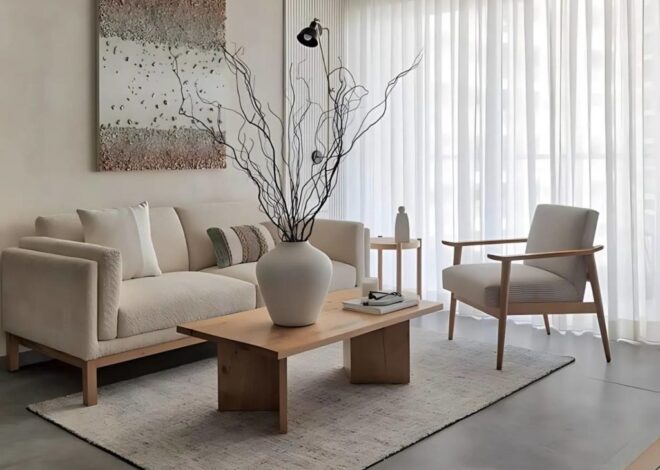
If a room features smooth, pale hardwood flooring and crisp white drywall, placing a dark, heavily textured distressed leather sofa instantly grounds the space. The visual weight of the dark leather counters the lightness of the walls and floors, creating dynamic tension. Similarly, placing an organic, free-form wooden coffee table in front of a sleek, geometric modern sofa breaks up rigid lines and adds warmth to an otherwise sterile environment.
Frequently Asked Questions
Can a small room successfully handle a large statement furniture piece?
A small room can absolutely accommodate a statement piece as long as it is the only oversized item in the space. Selecting one bold item—such as an eye-catching accent chair or a unique desk—prevents visual clutter while giving the room a distinct personality.
How do I prevent a statement furniture piece from making the rest of the room look cheap?
To maintain balance, ensure that surrounding items share a complementary quality or material finish with the statement piece. Even budget-friendly supporting furniture can look elevated when paired with a high-impact anchor piece through thoughtful color coordination and clean styling.
Should lighting be designed specifically to highlight statement furniture?
Dedicated accent lighting, such as a directional ceiling spotlight or a well-placed floor lamp, draws attention to the statement piece during evening hours, reinforcing its role as the primary focal point of the room.
How many statement pieces can be used in a single open-plan living space?
In open-plan layouts, each distinct functional zone can feature one statement piece, such as a bold sofa in the living area and a striking dining table in the dining space, provided they share a unifying design language to avoid visual chaos.
What is the best way to test if a statement piece fits a room before purchasing?
Using painter’s tape on the floor to outline the exact footprint of the furniture piece helps visualize its physical scale and ensures that natural walking pathways and door swings remain unobstructed.
Can neutral-colored furniture ever function as a statement piece?
Neutral furniture can serve as a powerful statement piece if its silhouette, scale, or texture is exceptionally dramatic, such as a massive cream-colored boucle curved sofa with an avant-garde organic shape.
How often should room layouts be rearranged around a permanent anchor piece?
While the major anchor piece should generally remain stationary due to its weight and visual gravity, smaller surrounding accessories, rugs, and accent chairs can be seasonally rotated to refresh the room’s energy.