Furniture: The Foundation of Comfortable and Functional Living
Furniture is more than just a collection of objects placed inside a room. It shapes how we live, work, relax, and interact with our surroundings. From ancient handcrafted wooden pieces to modern modular designs, furniture reflects culture, lifestyle, and personal taste while serving practical needs.
Understanding the Role of Furniture in Everyday Life
Furniture plays a central role in organizing spaces and supporting daily activities. Well-designed furniture balances comfort, durability, and aesthetics, ensuring that a space feels both usable and inviting.
Key purposes of furniture include:
-
Supporting daily functions such as sitting, sleeping, and storage
-
Enhancing the visual appeal of interior spaces
-
Improving ergonomics and posture
-
Helping define room layout and flow
Types of Furniture and Their Uses
Residential Furniture
Residential furniture is designed for comfort and personal use within homes. It combines style with functionality to suit different rooms and lifestyles.
Common categories include:
-
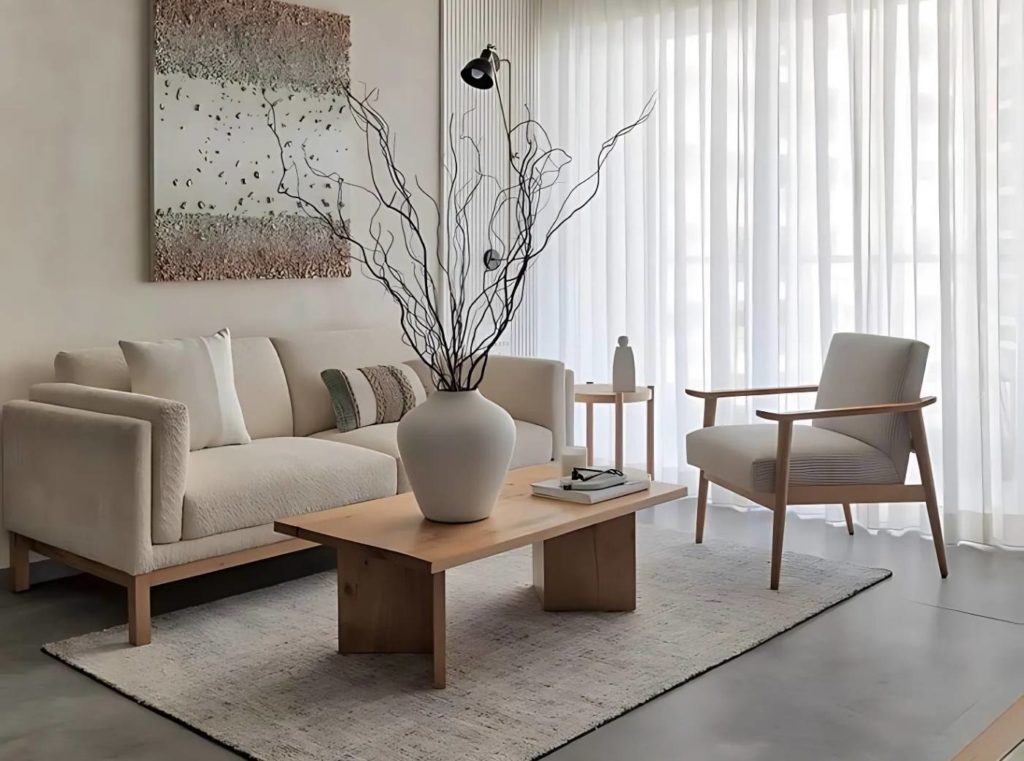
Living room furniture: sofas, coffee tables, TV units
-
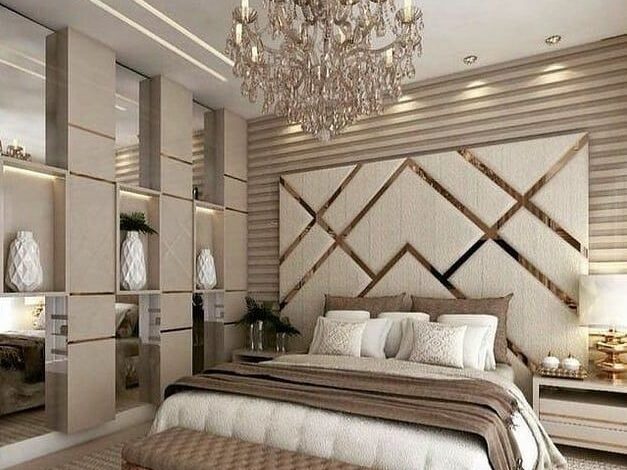
Bedroom furniture: beds, wardrobes, nightstands
-
Dining furniture: dining tables, chairs, sideboards
Office Furniture
Office furniture focuses on productivity, efficiency, and physical well-being. Ergonomic design is especially important in work environments.
Essential office furniture includes:
-
Office desks and workstations
-
Ergonomic chairs
-
Storage units such as filing cabinets and shelves
Outdoor Furniture
Outdoor furniture is built to withstand weather conditions while offering comfort and style for open spaces.
Typical outdoor pieces:
-
Patio chairs and tables
-
Lounge chairs
-
Garden benches
Materials Used in Furniture Manufacturing
The choice of material significantly affects furniture quality, appearance, and lifespan.
Wood
Wood remains one of the most popular furniture materials due to its strength and timeless appeal. Hardwoods like oak and teak are valued for durability, while softwoods offer affordability.
Metal
Metal furniture is known for its strength and modern look. It is commonly used in office, outdoor, and industrial-style interiors.
Upholstered Materials
Fabric and leather add comfort and luxury, especially in seating furniture. These materials influence both texture and maintenance requirements.
Sustainable and Eco-Friendly Materials
With rising environmental awareness, furniture made from bamboo, reclaimed wood, and recycled materials is gaining popularity.
How Furniture Impacts Interior Design
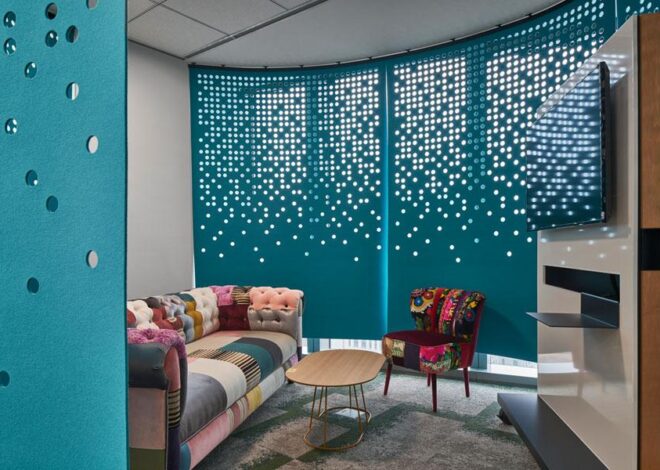
Furniture defines the personality of a space. Minimalist furniture creates open and calm environments, while bold designs add character and warmth.
Key design considerations include:
-
Scale and proportion relative to room size
-
Color harmony with walls and flooring
-
Balance between functionality and decoration
Choosing the Right Furniture for Your Space
Selecting furniture requires thoughtful planning. The right pieces should meet both practical needs and aesthetic preferences.
Before buying furniture, consider:
-
Available space and room layout
-
Intended use and frequency
-
Comfort and ergonomics
-
Long-term durability and maintenance
Furniture Trends Shaping Modern Homes
Furniture design continues to evolve with changing lifestyles. Current trends emphasize flexibility, sustainability, and personalization.
Popular trends include:
-
Modular and multi-functional furniture
-
Neutral tones with natural textures
-
Smart furniture with built-in technology
-
Handcrafted and artisanal designs
Caring for and Maintaining Furniture
Proper maintenance extends the life of furniture and preserves its appearance.
Basic care tips:
-
Clean surfaces regularly using appropriate products
-
Protect furniture from direct sunlight and moisture
-
Tighten joints and fittings periodically
-
Follow manufacturer care instructions for upholstery
The Future of Furniture Design
The future of furniture lies in innovation and adaptability. Designers are focusing on smart solutions that respond to limited space, remote work, and environmental concerns. Customizable and technology-integrated furniture is expected to become more common, blending comfort with intelligent design.
Frequently Asked Questions (FAQs)
What is the most durable furniture material?
Hardwoods such as teak and oak are among the most durable materials, offering long-lasting strength and resistance to wear.
How can I choose furniture for a small space?
Opt for multi-functional and modular furniture that maximizes storage while minimizing visual clutter.
Is expensive furniture always better quality?
Not necessarily. Quality depends on materials, construction, and craftsmanship rather than price alone.
How often should furniture be replaced?
Well-maintained furniture can last decades. Replacement depends on usage, condition, and changing needs.
What is ergonomic furniture and why is it important?
Ergonomic furniture is designed to support proper posture and reduce physical strain, especially important for workspaces.
How can I maintain upholstered furniture?
Regular vacuuming, spot cleaning, and professional deep cleaning help maintain upholstery quality.
Are eco-friendly furniture options reliable?
Yes, many eco-friendly furniture options are durable and well-crafted while reducing environmental impact.