Plumbing Essentials: How Reliable Water Systems Keep Modern Homes Comfortable and Functional
Although pipes, valves, drains, and fixtures are rarely noticed when everything works correctly, even a minor plumbing problem can disrupt an entire household. A leaking tap, blocked drain, damaged pipe, or malfunctioning water heater may create inconvenience and lead to more serious property damage if left unattended. Understanding how plumbing systems work and why regular maintenance matters can help property owners make better decisions about their homes.
Understanding the Importance of Modern Plumbing
A residential plumbing system consists of interconnected components that manage the movement of clean water and wastewater throughout a building. Its design must ensure an appropriate water supply while maintaining effective drainage and preventing contamination.
Most residential plumbing systems include two primary networks. The supply system delivers clean water to fixtures and appliances, while the drainage system carries used water away from the property.
These networks rely on several essential components:
- Water supply pipes: Transport clean water to kitchens, bathrooms, laundry areas, and other fixtures.
- Drainage pipes: Carry wastewater away from sinks, showers, toilets, and appliances.
- Valves and fittings: Control water movement and connect different sections of the system.
- Water heaters: Provide hot water for household activities.
- Traps and ventilation pipes: Help prevent unpleasant sewer gases from entering indoor spaces.
Each component performs a specific function. When the entire system operates correctly, residents benefit from consistent water availability, effective sanitation, and improved household convenience.
Common Plumbing Problems Homeowners Should Recognise
Plumbing issues can develop gradually or appear unexpectedly. Recognising early warning signs allows property owners to arrange appropriate repairs before a minor concern becomes a larger problem.
Leaking Pipes and Taps
Leaks are among the most common household plumbing issues. They may develop because of worn washers, loose connections, corrosion, damaged seals, or excessive water pressure.
A continuously dripping tap may appear insignificant, but it can waste considerable amounts of water over time. Hidden pipe leaks can be more concerning because they may damage walls, ceilings, flooring, and surrounding structures.
Signs of a possible leak include unexplained increases in water bills, damp patches, mould growth, and persistent dripping sounds.
Blocked Drains
Blocked drainage systems can make kitchens and bathrooms difficult to use. In kitchens, grease, food particles, and accumulated residue frequently contribute to drainage problems. Bathroom blockages may result from hair, soap deposits, and other materials.
Regularly cleaning drain covers and avoiding the disposal of unsuitable substances through sinks can reduce the likelihood of blockages.
Low Water Pressure
Low water pressure can make everyday activities frustrating. Several factors may contribute to this problem, including mineral deposits, partially closed valves, leaking pipes, or issues with the main water supply.
A professional plumber can inspect the system to identify the cause and recommend an appropriate solution.
Running Toilets
A toilet that continues running after flushing may have a damaged flapper, faulty fill valve, or incorrectly adjusted internal components. Although the problem may seem minor, it can result in unnecessary water consumption.
Prompt repairs can restore normal operation and reduce avoidable wastage.
Why Professional Plumbing Services Matter
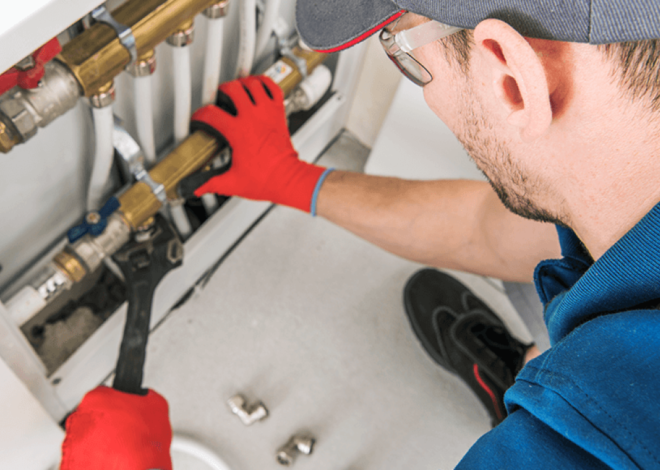
Some minor plumbing tasks can be handled independently, but more complicated repairs require appropriate knowledge, tools, and experience. Professional plumbers understand how different components interact and can identify problems that may not be immediately visible.
Hiring a qualified professional is particularly important when dealing with damaged supply lines, concealed leaks, water heaters, sewer connections, or significant drainage issues.
Professional plumbing services commonly include:
- Installing and repairing pipes, taps, and bathroom fixtures.
- Identifying leaks and diagnosing water pressure problems.
- Cleaning blocked drains and inspecting drainage systems.
- Installing water heaters and related equipment.
- Renovating kitchen and bathroom plumbing arrangements.
- Inspecting plumbing systems during property improvements.
Experienced professionals can also explain the condition of existing installations and recommend suitable replacement options when necessary.
The Importance of Regular Plumbing Maintenance
Preventive maintenance is one of the most effective ways to keep plumbing systems in good condition. Waiting until a serious problem develops may result in more extensive repairs and additional expenses.
Property owners should arrange periodic inspections, particularly in older buildings where pipes and fittings may have experienced years of regular use.
A practical maintenance routine should include checking visible pipe connections, inspecting taps for leaks, cleaning drainage openings, and examining water heaters for signs of deterioration.
Homeowners can also follow a few straightforward practices:
- Avoid pouring cooking grease, oil, or solid food waste into kitchen drains.
- Use suitable drain covers to prevent hair and debris from entering bathroom pipes.
- Repair dripping taps and running toilets without unnecessary delays.
- Avoid using excessive force when operating plumbing fixtures.
- Know the location of the main water shut-off valve in case of an emergency.
These simple habits can help reduce common plumbing difficulties and support efficient water use.
Plumbing Considerations During Home Renovations
Kitchen and bathroom renovations provide an opportunity to improve existing plumbing arrangements. However, changing fixtures or relocating appliances should always involve careful planning.
Before beginning renovation work, property owners should evaluate the condition of existing pipes, drainage connections, water pressure, and available installation space.
For example, installing a new shower, repositioning a kitchen sink, or adding a bathroom may require adjustments to the supply and drainage networks.
Choosing appropriate materials is equally important. Pipes and fittings should be suitable for their intended application, water conditions, and installation environment.
Professional coordination between plumbers, electricians, contractors, and interior designers can help prevent installation conflicts and unnecessary delays.
Water Efficiency and Sustainable Plumbing Solutions
Responsible water consumption has become an increasingly important consideration for residential and commercial properties. Efficient plumbing systems can help reduce wastage while maintaining everyday convenience.
Modern fixtures are designed to improve water efficiency without necessarily compromising performance. Low-flow showerheads, dual-flush toilets, aerated taps, and efficient water heaters are examples of products that can support more responsible consumption.
Rainwater harvesting is another useful approach in suitable locations. Collected rainwater can be used for gardening, cleaning, and other appropriate non-drinking purposes when supported by a properly designed system.
Property owners may also consider:
- Repairing leaks promptly to prevent continuous water loss.
- Installing water-efficient bathroom fixtures.
- Choosing appliances with suitable water consumption ratings.
- Maintaining storage tanks and distribution systems.
- Using appropriate filtration solutions where necessary.
These improvements can contribute to more sustainable household management and may reduce utility expenses over time.
Choosing the Right Plumbing Professional
Selecting a dependable plumber is essential when dealing with repairs, installations, or major renovation projects. Customers should look beyond promotional pricing and consider the professional’s qualifications, practical experience, and reputation.
Before hiring a service provider, consider the following factors:
Experience: Choose someone familiar with the type of plumbing work required.
Credentials: Check relevant licences, certifications, or local professional requirements.
Pricing transparency: Request a clear estimate that explains labour, materials, and additional charges.
Communication: A reliable professional should explain the problem, available solutions, and expected completion time.
Workmanship: Ask about guarantees or warranties covering the completed work and installed components.
Obtaining a written estimate before major repairs can help avoid misunderstandings and support better financial planning.
Conclusion
Plumbing plays a fundamental role in maintaining the comfort, hygiene, and functionality of residential and commercial properties. Although plumbing infrastructure often remains hidden behind walls and beneath floors, its condition directly affects everyday activities.
Understanding common plumbing problems, maintaining essential components, and addressing repairs promptly can help property owners avoid unnecessary complications. Professional assistance is equally valuable when installations, renovations, or complicated repairs require specialised knowledge.
With suitable materials, responsible water usage, and regular maintenance, a well-designed plumbing system can provide dependable service for many years. Investing attention in plumbing is ultimately an investment in the safety, efficiency, and long-term condition of any property.