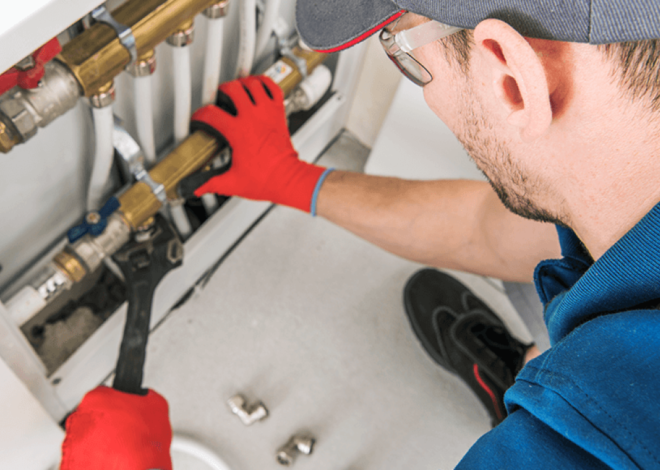
Modern Plumbing Solutions: Building Reliable Water Systems for Healthier and More Efficient Homes
As construction standards and household expectations continue to change, plumbing has become more sophisticated. Property owners now have access to improved fixtures, efficient water heaters, advanced leak detection methods, and environmentally responsible water management solutions. However, even the most modern installation requires appropriate planning and regular maintenance to perform reliably.
Understanding the fundamentals of plumbing helps homeowners recognise potential problems, select suitable fixtures, and make informed decisions when improving their properties.
The Foundation of an Efficient Plumbing System
A properly designed plumbing system must perform two essential functions: delivering clean water where it is needed and removing wastewater safely. Both processes require carefully arranged pipes, connections, drainage outlets, and ventilation systems.
Water supply networks distribute water to kitchens, bathrooms, laundry areas, and other parts of a property. Drainage networks then carry used water away through appropriately designed pipes.
Several components contribute to the performance of these systems:
- Pipes and connectors: Form the main distribution network and transport water throughout the building.
- Control valves: Regulate water flow and allow specific sections to be isolated during repairs.
- Drainage fixtures: Collect wastewater from sinks, showers, bathtubs, and toilets.
- Water heaters: Supply hot water for bathing, cleaning, and other household activities.
- Pressure regulators: Help maintain suitable pressure within plumbing installations.
- Ventilation pipes: Support proper drainage and help prevent sewer gases from entering indoor spaces.
When these elements are installed correctly, they work together to provide a consistent and hygienic water management system.
Common Plumbing Issues That Require Attention
Even well-maintained properties can experience plumbing problems. Identifying early symptoms is important because small faults may develop into more expensive repairs when ignored.
Persistent Water Leaks
Leaking pipes and fixtures can waste significant quantities of water. Some leaks are immediately noticeable, while others remain concealed behind walls, beneath flooring, or inside cupboards.
Common warning signs include damp surfaces, unusual stains, unpleasant odours, and unexplained increases in water consumption.
Professional plumbers can use suitable inspection methods to identify the source of a leak and determine whether a connection needs tightening, a component requires replacement, or a damaged pipe needs repair.
Slow or Blocked Drainage
Drainage problems often develop when unsuitable materials accumulate inside pipes. Kitchen drains may become restricted by cooking grease and food residue, whereas bathroom outlets frequently collect hair and soap deposits.
Using protective drain covers and disposing of household waste appropriately can reduce these problems.
Persistent blockages should receive professional attention, particularly when multiple fixtures are draining slowly or wastewater begins returning through an outlet.
Faulty Water Heaters
Water heaters are important plumbing appliances, especially in households that regularly require hot water for bathing and cleaning.
Common problems include inconsistent temperatures, unusual noises, visible leakage, and reduced heating performance. These symptoms may indicate mineral accumulation, worn components, electrical faults, or other mechanical issues.
Water heaters should be inspected and repaired by appropriately qualified professionals, particularly when electrical or pressurised systems are involved.
Unstable Water Pressure
Water pressure that is unusually low or high can affect the performance of taps, showers, and household appliances.
Potential causes include blocked pipes, faulty pressure regulators, leaking connections, or problems with the main supply.
A proper inspection can determine whether the issue originates within the property or from the external water network.
Why Professional Plumbing Installation Matters
The quality of plumbing installation influences how efficiently a building operates over time. Incorrect pipe connections, unsuitable materials, and poorly planned drainage arrangements may create recurring problems.
Professional plumbers understand how to select appropriate components, calculate suitable pipe dimensions, and install fixtures according to relevant technical requirements.
Their services are especially valuable during new construction, bathroom renovations, kitchen improvements, and major plumbing replacements.
Professional installation can help with:
- Correct positioning of water supply and drainage connections.
- Installation of modern bathroom and kitchen fixtures.
- Replacement of deteriorated or damaged pipes.
- Water heater installation and maintenance.
- Identification of hidden plumbing defects.
- Improvements to existing water distribution systems.
Employing experienced professionals from the beginning can reduce the likelihood of repeated repairs and unnecessary construction expenses.
Selecting Suitable Materials for Plumbing Projects
Material selection is an important part of plumbing design. Different materials offer different characteristics in terms of durability, flexibility, cost, and suitability for particular applications.
Common plumbing materials include copper, PVC, CPVC, and PEX, although their appropriate uses vary according to local standards and installation requirements.
Copper is valued for its durability and established use in water supply systems. PVC is frequently used in suitable drainage applications, while CPVC is designed for certain hot and cold water installations. PEX offers flexibility and can simplify installation in appropriate systems.
Before selecting materials, property owners should consider:
- Whether the material is approved for the intended application.
- Its compatibility with local water conditions.
- Temperature and pressure requirements.
- Expected service life and maintenance needs.
- Availability of suitable fittings and replacement components.
A qualified plumber can recommend materials that meet the project’s technical requirements rather than relying solely on initial purchase prices.
Improving Water Efficiency Through Modern Plumbing
Water conservation is becoming an important part of responsible property management. Efficient plumbing fixtures can reduce unnecessary consumption while maintaining comfortable household routines.
Modern bathroom and kitchen products often incorporate features designed to use water more carefully. Aerated taps, efficient showerheads, and dual-flush toilets are examples of practical improvements.
Property owners can also explore rainwater harvesting where local conditions and regulations permit. A properly designed collection system can provide water for gardening, cleaning, and other suitable non-drinking purposes.
Other effective practices include:
- Checking storage tanks and visible connections regularly.
- Repairing dripping taps without delay.
- Installing suitable water-efficient fixtures.
- Avoiding unnecessary water use during household cleaning.
- Maintaining filtration and distribution equipment according to manufacturer recommendations.
These measures can contribute to more responsible consumption and help manage household utility expenses.
Plumbing Design During Kitchen and Bathroom Renovations
Renovation projects offer an opportunity to improve plumbing functionality while updating the appearance of interior spaces. However, changing the position of sinks, toilets, showers, or washing machines requires careful technical planning.
Drainage gradients, pipe accessibility, water pressure, and ventilation arrangements must all be considered before installation begins.
For example, relocating a bathroom may require substantial adjustments to existing drainage connections. Similarly, installing a larger kitchen sink may require changes to the cabinet arrangement and waste outlet.
Coordination between plumbers, builders, electricians, and interior designers is therefore important. Discussing these requirements before construction begins can prevent costly changes later.
The Importance of Preventive Plumbing Maintenance
Regular inspections help identify minor plumbing defects before they cause extensive damage. Property owners should pay attention to visible pipe connections, water pressure, drainage performance, and the condition of frequently used fixtures.
A sensible maintenance schedule should include checking for leaks, cleaning drain covers, inspecting water heaters, and ensuring that accessible valves operate correctly.
Older properties may require more detailed inspections because pipes and fittings can deteriorate through prolonged use.
It is also useful to know where the main water shut-off valve is located. In the event of a major leak, turning off the supply can help limit damage while professional assistance is arranged.
Choosing a Dependable Plumbing Service
Selecting a suitable plumbing professional requires careful evaluation. A service provider should have relevant experience, appropriate qualifications, and a clear understanding of the work involved.
Before confirming an appointment, ask for a detailed explanation of the proposed repair or installation. Request a written estimate that identifies labour charges, material costs, and any additional expenses.
Customer feedback can provide useful information about punctuality, communication, and workmanship. It is also worth asking whether completed work and replacement components are covered by a warranty.
A reliable plumber should explain available options and help customers understand the long-term implications of different solutions.
Conclusion
Modern plumbing systems are essential to maintaining clean water supplies, effective sanitation, and comfortable indoor environments. Their performance depends on appropriate design, quality materials, professional installation, and consistent maintenance.
Property owners who recognise early warning signs and address problems promptly can avoid many unnecessary complications. Investing in efficient fixtures and responsible water management can also improve the long-term performance of a building.
Whether planning a new installation, renovating an existing property, or arranging routine repairs, careful plumbing decisions help create a safer, more dependable, and more efficient living environment.