
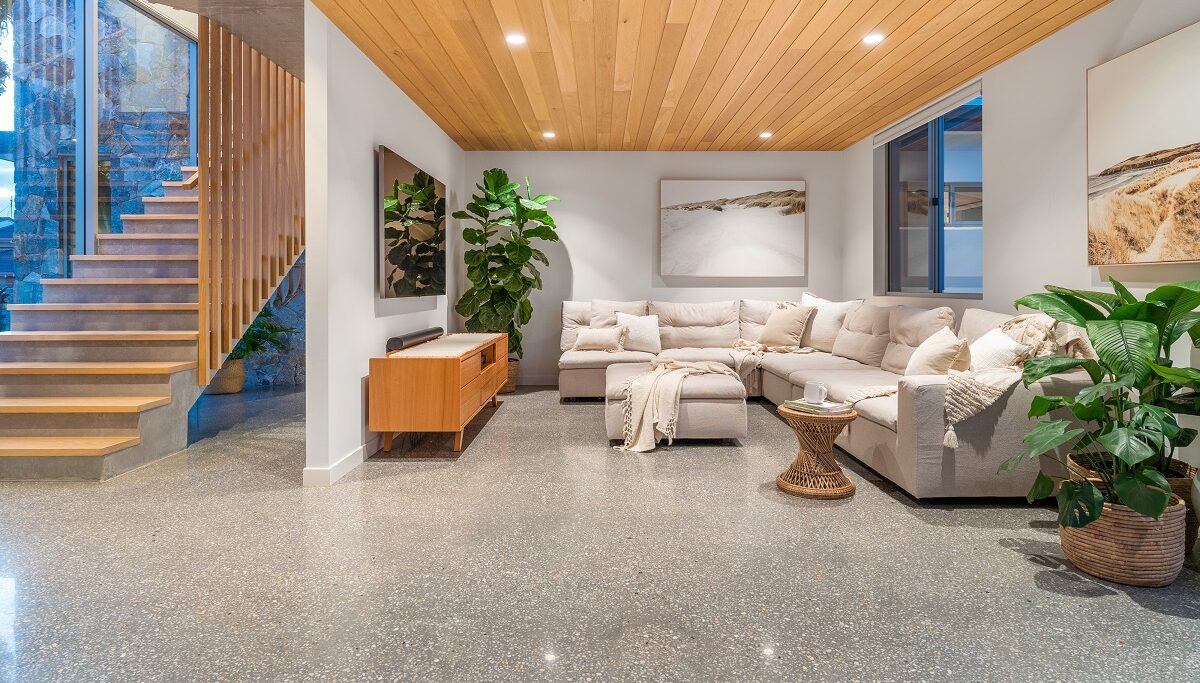
Polished Concrete Flooring: Industrial Chic for Modern Interiors
Introduction to the Industrial Chic Aesthetic
The evolution of interior design continually shifts toward materials that celebrate raw authenticity and durability. Among the most transformative trends to emerge in recent years is the widespread adoption of polished concrete flooring. Once relegated strictly to the subterranean depths of warehouses, factories, and big-box retail stores, concrete has broken free of its industrial shackles. Today, it stands as a premier design choice for high-end residential homes, trendy cafes, corporate offices, and modern retail boutiques.
This shift is more than just a passing fad. Homeowners and interior architects increasingly prize materials that offer a harmonious blend of aesthetic versatility, structural longevity, and minimal maintenance. Polished concrete delivers on all fronts, providing a sleek, mirror-like finish that reflects natural light, enhances spatial dimensions, and anchors contemporary interiors with an understated, sophisticated edge. By taking a utilitarian material and refining it through advanced mechanical grinding and polishing techniques, designers have unlocked a new standard in modern interior flooring.
—
## The Mechanical Transformation Process
Transforming a dull, porous concrete slab into a luminous, high-end floor requires a meticulous, multi-step process. Far beyond simply applying a shiny surface coating, professional concrete polishing is an engineering art form that alters the stone at a molecular level.
### Grinding Down to Perfection
The process begins with heavy-duty planetary grinding machines equipped with diamond-impregnated segments. Contractors start with coarse-grit diamond tools to remove surface imperfections, minor blemishes, old adhesives, or thin coatings. This initial phase also exposes the underlying aggregate—such as sand, quartz, or larger stones—depending on the desired aesthetic depth.
### Densifying and Hardening
Once the initial grinding stages are complete, a chemical densifier (typically a liquid lithium, sodium, or potassium silicate) is applied to the floor. This solution penetrates the porous concrete and reacts chemically with free lime. The reaction creates calcium silicate hydrate within the pores, substantially hardening the concrete, increasing its density, and preventing concrete dusting over its lifespan.
### Polishing to the Desired Sheen
Following densification, technicians resume grinding using increasingly finer resin-bond diamond abrasives. This progressive refinement steps up through various grit levels—often ranging from 400 grit up to 1500 or 3000 grit. Each step buffs the surface tighter and smoother, bringing out a natural luster. Finally, a breathable impregnating guard or sealer is applied to protect the floor against staining agents like oils, acids, and water, ensuring the finish remains pristine for decades.
—
## Aesthetic Versatility: Beyond the Basic Gray
A common misconception is that polished concrete limits a space to a cold, monochromatic gray box. In reality, modern techniques offer near-limitless customization, allowing designers to tailor the floor to any interior design scheme, from minimalist Scandinavian to moody industrial loft spaces.
* **Color Impregnation:** Acid stains and water-based dyes can be introduced during the polishing process to infuse the concrete with rich earth tones, deep blues, vibrant greens, or warm ambers.
* **Aggregate Exposure Levels:** Contractors can control how much stone is exposed. A cream finish features little to no exposed aggregate for a uniform look, while a heavy exposure reveals a terrazzo-like mosaic of stones.
* **Score Lines and Patterns:** Saw cuts can be implemented before or during the polishing phase to create geometric tile patterns, large flagstone effects, or sleek linear borders that define different zones within an open-plan layout.
* **Custom Inlays:** Brass, zinc, or stainless steel strips can be embedded into the wet concrete to create striking geometric dividers or company logos in commercial settings.
—
## Functional and Practical Advantages
While the visual appeal of polished concrete draws many homeowners in, its exceptional functional performance seals the decision. Interior surfaces must endure daily foot traffic, shifting furniture, dropped objects, and spills. Polished concrete excels across all these practical metrics.
### Exceptional Durability and Longevity
Unlike hardwood, which scratches easily, or carpeting, which traps allergens and stains, polished concrete becomes one of the hardest surfaces in a building. It resists heavy rolling loads, pet claws, and high-heeled shoes without denting or gouging. When properly maintained, a polished concrete floor can easily outlast the structure surrounding it, eliminating the need for costly periodic floor replacements.
### Thermal Mass and Energy Efficiency
Concrete possesses high thermal mass, meaning it absorbs, stores, and slowly releases heat. In homes with passive solar design, polished concrete floors capture sunlight during the day, warming the interior as temperatures drop at night. Furthermore, when paired with hydronic radiant heating systems embedded beneath the slab, concrete becomes an exceptionally efficient thermal conductor, keeping rooms comfortably warm during harsh winter months.
### Indoor Air Quality and Hygiene
Carpets are notorious for harboring dust mites, pollen, pet dander, and mold spores. Polished concrete presents a completely seamless, non-porous surface that traps nothing. Dust and debris rest lightly on top and can be easily swept or damp-mopped away. This makes polished concrete an ideal flooring material for individuals suffering from asthma, severe allergies, or chemical sensitivities.
—
## Maintenance and Care Best Practices
One of the most appealing aspects of polished concrete is its low-maintenance profile. However, low-maintenance does not mean no-maintenance. Protecting the investment requires a sensible, routine care regimen.
* **Daily Dust Mopping:** Use a microfiber dust mop daily to remove loose grit, sand, and dirt particles that could act as abrasives underfoot.
* **pH-Neutral Cleaners:** Wash the floor weekly using a mild, pH-neutral commercial cleaner formulated specifically for polished concrete. Avoid harsh alkaline, acidic, or vinegar-based cleaners, which can dull the protective guard over time.
* **Immediate Spill Cleanup:** Although the floor is sealed, acidic liquids like wine, citrus juice, or vinegar should be wiped up promptly to prevent etching the surface polish.
* **Periodic Re-application:** Depending on traffic levels, a fresh coat of impregnating sealer or guard should be buffed onto residential floors every few years to maintain maximum stain resistance and high reflectivity.
—
## Integrating Polished Concrete into Various Design Styles
The industrial chic aesthetic thrives on the tension between raw structural elements and refined luxury. Polished concrete acts as the ultimate anchor for this design philosophy.
In modern minimalist spaces, the uninterrupted expanse of a seamless gray concrete floor enhances spatial continuity, allowing minimalist furniture, sleek architectural lines, and statement lighting fixtures to take center stage. The reflective surface bounces natural light deep into open-plan layouts, making smaller rooms feel expansive and airy.
Conversely, in warm transitional or rustic interiors, polished concrete provides a striking contemporary counterpoint to organic textures. Pairing a high-gloss concrete floor with reclaimed wood ceiling beams, exposed brick walls, soft linen upholstery, and lush interior foliage creates a balanced, layered environment that feels both grounded and deeply sophisticated.
—
## Frequently Asked Questions
### Can polished concrete flooring be installed in existing homes or only new constructions?
Polished concrete can be installed in existing homes as long as there is an existing sound concrete subfloor or slab. Contractors evaluate the condition of the current slab, repair any major cracks or spalling, and then proceed with the mechanical grinding and polishing steps.
### Is polished concrete slippery when it gets wet?
Despite its mirror-like appearance, polished concrete is often less slippery than polished marble, glazed tile, or varnished hardwood. During the final polishing stages, contractors can adjust the grit level and apply specialized non-slip additives to the sealer to meet specific safety friction coefficients, even in moisture-prone areas like kitchens.
### Will polished concrete crack over time?
Concrete is prone to minor structural hairline cracking due to natural curing shrinkage and thermal expansion. However, professional contractors plan control joints strategically to manage where stress occurs, and any random cracks can be routed out, filled with tinted epoxy, and polished flush so they blend seamlessly into the floor.
### How does polished concrete compare in cost to hardwood or natural stone?
Polished concrete is often more cost-effective than premium hardwoods or imported natural stone tiles, particularly when utilizing an existing structural slab. While the initial installation involves specialized labor and industrial equipment, its near-zero replacement cost and minimal maintenance make it highly economical over the lifespan of the building.
### Can polished concrete be used outdoors or on patios?
While concrete can certainly be used outdoors, traditional high-gloss interior polishing is not recommended for exterior applications. Exterior concrete is exposed to rain, snow, and freeze-thaw cycles, requiring a different finishing approach such as a matte hone and penetrating sealer to maintain slip resistance and prevent moisture damage.
### Does polished concrete feel cold and hard underfoot?
Because concrete is a dense material, it does feel hard and can run cool to the touch, especially in cooler climates. This is easily mitigated by strategically placing plush area rugs in living rooms and bedrooms, or by installing hydronic radiant heating systems directly beneath the concrete slab during construction.


