Farmhouse Kitchen Elements to Add Rustic Charm
Introduction to the Timeless Appeal of Farmhouse Style
The kitchen frequently serves as the emotional heartbeat of any home, acting as a natural gathering space for family meals, morning coffee routines, and late-night conversations. Among the myriad design styles available for this crucial space, the modern farmhouse aesthetic remains exceptionally popular. This design philosophy brilliantly bridges the gap between historical utility and contemporary comfort. By celebrating raw natural materials, handcrafted finishes, and nostalgic architectural details, a farmhouse kitchen radiates warmth, comfort, and unpretentious elegance. Incorporating rustic charm into your cooking space does not require moving to an actual countryside homestead; strategic design choices can evoke that same inviting atmosphere anywhere.
The Iconic Apron-Front Sink
No farmhouse kitchen feels complete without the inclusion of a traditional apron-front sink, also widely known as a Belfast or farmhouse sink. Historically designed to hold massive volumes of water with a deep basin and an exposed front wall, these sinks were engineered for heavy daily utility long before modern dishwashers existed.
Today, they serve as a striking visual focal point. Available in materials like fireclay, cast iron, copper, and natural stone, apron-front sinks break up the monotonous horizontal line of standard base cabinetry. A classic white fireclay sink brings a crisp, clean contrast when paired with dark wood or painted cabinetry, while a hammered copper basin introduces a rich, evolving patina that deepens in character over time.
Open Shelving for Display and Accessibility
Traditional suburban kitchens heavily favor upper wall cabinets with closed doors to hide dishware. In contrast, farmhouse kitchens embrace open shelving, a practice rooted in practicality where everyday dishware, glassware, and cookware needed to be within arm’s reach.
-
Reclaimed Wood Brackets: Using thick, weathered planks supported by heavy cast-iron or black steel brackets reinforces the industrial rustic vibe.
-
Curated Display: Stacking white ceramic plates, clear glass mason jars, and cast-iron skillets transforms everyday kitchen tools into functional wall art.
-
Airy Spatial Perception: Removing bulky upper cabinets allows natural light to bounce freely around the kitchen, making the room feel larger and more open.
Introducing Reclaimed Wood and Natural Timbers
Wood is the foundational material of any authentic rustic interior. The key to capturing true farmhouse charm lies in selecting wood that bears the marks of history, such as knots, saw marks, minor dents, and natural grain variations.
-
Reclaimed Ceiling Beams: Exposing structural ceiling beams or installing decorative hollow-box beams made from old barn wood immediately draws the eye upward and anchors the room.
-
Wide-Plank Flooring: Opting for wide-plank white oak or pine flooring with a wire-brushed, matte oil finish offers an authentic tactile foundation that withstands heavy foot traffic gracefully.
-
Freestanding Island Workstations: Incorporating an antique wooden workbench or a butcher-block island base instead of matching built-in cabinetry adds a collected-over-time aesthetic.
Hardware and Fixture Finishes That Tell a Story
Small details often make or break an interior design project. In a farmhouse kitchen, shiny chrome or ultra-modern stainless steel hardware can clash with the rustic aesthetic. Selecting the right hardware finishes ties the entire room together.
-
Oil-Rubbed Bronze: Features a deep, dark brown finish with subtle copper undertones that naturally wear down over time to reveal authentic highlights.
-
Unlacquered Brass: Unlike modern lacquered brass, unlacquered fixtures oxidize and develop a gorgeous, cloudy live finish through daily handling and exposure to air.
-
Matte Black Iron: Provides a sharp, transitional contrast against white cabinetry or reclaimed wood surfaces, nodding to traditional blacksmith craftsmanship.
-
Bridge Faucets: Installing a classic bridge-style kitchen faucet with porcelain cross handles instantly injects vintage personality into the sink area.
Lighting Fixtures Inspired by Agricultural Heritage
Lighting in a farmhouse kitchen should feel utilitarian yet stylish. Ditch generic flush-mount dome lights in favor of fixtures that draw inspiration from old barns, factories, and farmhouses of the past.
-
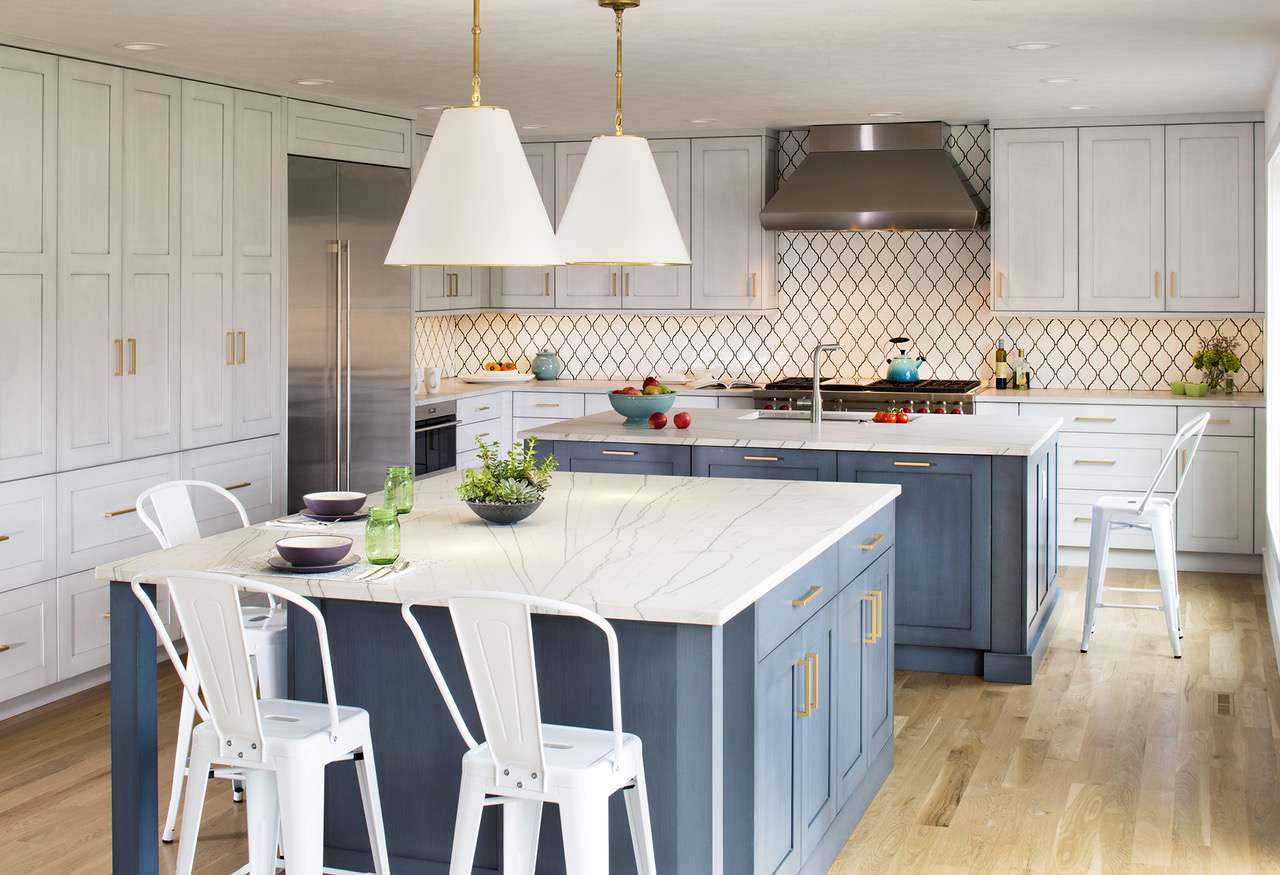
Enamel Dome Pendants: Hanging porcelain-enameled steel pendants over a kitchen island or dining table provides direct task lighting while offering a classic silhouette.
-
Gooseneck Wall Sconces: Mounting adjustable gooseneck lights above the sink window or open shelving units mimics vintage workshop task lighting.
-
Wrought Iron Chandeliers: Utilizing fixtures crafted from raw iron and seeded glass adds dramatic visual weight and warm ambient glow during evening hours.
Frequently Asked Questions
Can a modern kitchen layout successfully incorporate farmhouse elements?
A modern kitchen can easily blend farmhouse elements by combining sleek, handleless flat-panel cabinetry with an authentic apron-front sink and open reclaimed wood shelving for a balanced transitional look.
What are the best countertop materials to complement a rustic farmhouse style?
Honed soapstone, leathered granite, and classic butcher block provide exceptional organic textures and matte finishes that align perfectly with rustic farmhouse aesthetics compared to ultra-glossy polished marble.
How do I prevent open kitchen shelving from looking cluttered and messy?
Maintaining a cohesive color palette for your dishware—such as sticking primarily to white ceramics, clear glassware, and natural wood tones—ensures open shelves look intentional rather than disorganized.
Are farmhouse sinks difficult to maintain and keep clean?
Modern fireclay and cast-iron farmhouse sinks are treated with durable porcelain enamel finishes that resist staining and scratching, requiring only daily wiping with mild soap and water to stay pristine.
What wall treatments work best in a traditional farmhouse kitchen?
Vertical shiplap, horizontal tongue-and-groove paneling, beadboard wainscoting, and lightly textured plaster walls painted in warm off-white or muted earthy tones create the ultimate rustic backdrop.
Can luxury appliances fit into a rustic farmhouse kitchen design?
Luxury modern appliances can be seamlessly integrated by utilizing panel-ready dishwashers and refrigerators disguised behind custom wooden cabinet fronts to preserve the vintage aesthetic.
How do I choose the right wood tone for a rustic kitchen?
Matching every wood tone in a farmhouse kitchen is unnecessary; instead, mix two or three complementary tones, such as a dark walnut island paired with lighter white oak flooring, for a layered, organic feel.