Apartment: Meaning, Types, Benefits, and What to Consider Before Choosing One
An apartment is a self-contained residential unit that forms part of a larger building or complex. Designed for efficient urban living, apartments have become one of the most popular housing options worldwide, especially in cities where space is limited and convenience matters most.
Apartments suit a wide range of lifestyles—from young professionals and students to families and retirees—thanks to their flexibility, location advantages, and lower maintenance demands.
What Is an Apartment?
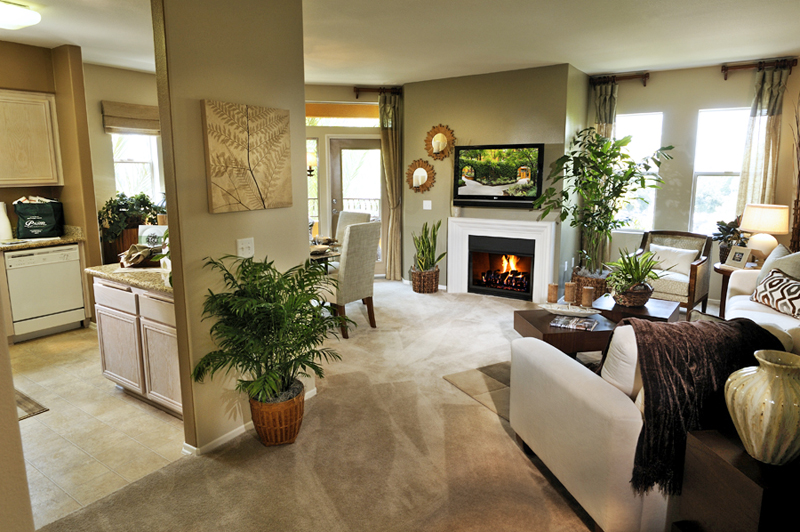
An apartment is a private living space within a multi-unit building, typically consisting of:
-
One or more bedrooms
-
A living area
-
A kitchen
-
A bathroom
-
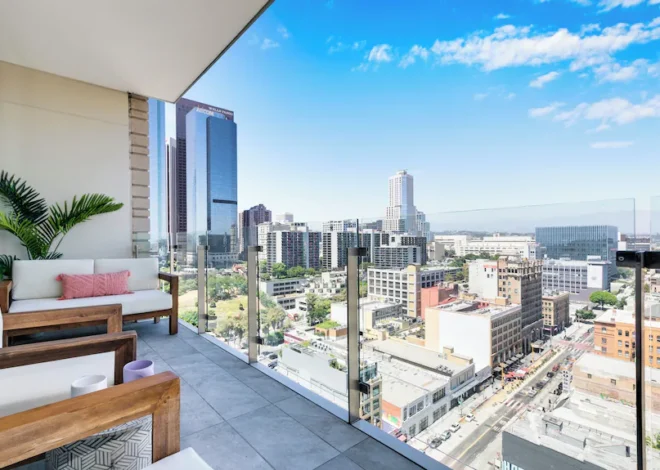
Sometimes a balcony or terrace
Apartments can be rented or owned and are usually managed by a property owner, housing association, or management company.
Common Types of Apartments
Different apartment types cater to different needs and budgets. Understanding these variations helps in choosing the right home.
Studio Apartment
A compact unit where the bedroom, living area, and kitchen share one open space, with a separate bathroom. Ideal for single occupants or minimalists.
One-Bedroom Apartment
Includes a separate bedroom and living area, offering more privacy and comfort than a studio.
Two- or Three-Bedroom Apartment
Best suited for families, roommates, or those needing extra space for work or guests.
Duplex Apartment
Spans two levels within the same unit, providing a house-like feel inside an apartment building.
Penthouse Apartment
Located on the top floor, often larger and more luxurious, with premium views and high-end finishes.
Advantages of Apartment Living
Apartment living offers several practical and lifestyle benefits.
-
Lower maintenance: Repairs and exterior upkeep are usually handled by management
-
Affordability: Generally more cost-effective than standalone houses
-
Prime locations: Close to workplaces, public transport, schools, and entertainment
-
Amenities: Access to gyms, elevators, parking, security, and shared spaces
-
Community living: Easier social interaction with neighbors
Challenges of Living in an Apartment
While apartments are convenient, they also come with some limitations.
-
Limited privacy compared to detached homes
-
Possible noise from neighbors
-
Less outdoor space
-
Restrictions on renovations, pets, or decor in some buildings
Understanding these factors helps set realistic expectations before moving in.
Key Factors to Consider Before Choosing an Apartment
Selecting the right apartment requires more than just liking the interior design.
Location
Proximity to work, schools, hospitals, and public transportation can greatly impact daily life.
Budget
Consider not only rent or purchase price but also maintenance fees, utilities, and parking costs.
Size and Layout
Ensure the apartment fits your lifestyle, storage needs, and future plans.
Building Amenities
Evaluate shared facilities such as security, elevators, power backup, and recreational areas.
Management and Safety
A well-managed building with proper security systems adds comfort and peace of mind.
Apartment vs. House: A Quick Comparison
Apartments differ from houses in several key ways:
-
Apartments: Low maintenance, shared amenities, urban-focused
-
Houses: More privacy, higher maintenance, usually more space
The better choice depends on lifestyle preferences, budget, and long-term goals.
The Growing Popularity of Apartments
Urbanization, rising property costs, and changing lifestyles have made apartments a preferred housing option. Modern apartments now emphasize smart layouts, energy efficiency, and community living, making them more attractive than ever.
Frequently Asked Questions (FAQ)
1. Is an apartment suitable for families?
Yes, many apartments offer multiple bedrooms, security, and family-friendly amenities, making them suitable for families.
2. What is the difference between an apartment and a flat?
In most regions, the terms are used interchangeably, though “flat” is more common in British English.
3. Are apartments a good investment?
Apartments can be a good investment, especially in high-demand urban areas with strong rental potential.
4. Can I customize or renovate my apartment?
Minor interior changes are usually allowed, but major renovations often require approval from management.
5. Do apartments come furnished?
Some apartments are fully furnished, while others are semi-furnished or unfurnished, depending on the listing.
6. How do maintenance fees work in apartments?
Maintenance fees typically cover common area upkeep, security, cleaning, and shared amenities.
7. Are apartments environmentally friendly?
Many modern apartments use energy-efficient designs, shared resources, and smaller footprints, which can reduce environmental impact.