Apartment Living: A Complete Guide to Modern Urban Homes
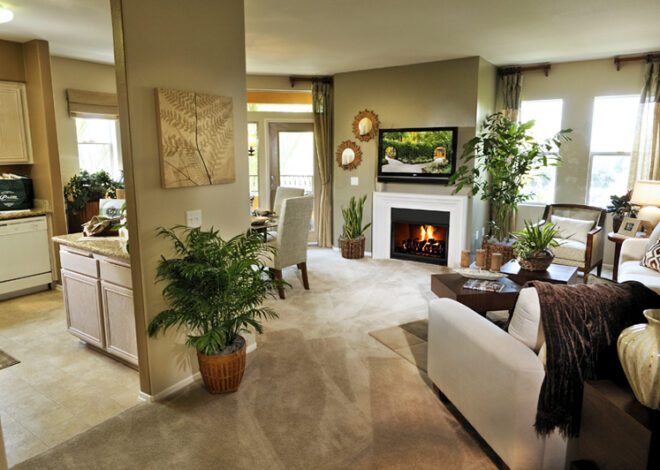
An apartment is a residential unit within a larger building designed to provide comfortable, efficient, and accessible living. As cities grow and lifestyles evolve, apartments have become a preferred housing choice for people seeking convenience, affordability, and proximity to essential services.
From compact studios to spacious multi-bedroom units, apartments support diverse living needs while reducing the responsibilities often associated with standalone homes.
Understanding What an Apartment Is
An apartment is a self-contained housing unit that includes essential living spaces such as:
-
A bedroom or sleeping area
-
A living or lounge space
-
A kitchen or kitchenette
-
A bathroom
-
Optional features like a balcony, storage area, or parking space
Apartments may be rented or owned and are typically part of a managed residential complex.
Different Types of Apartments
Apartments are designed in various formats to suit different lifestyles, family sizes, and budgets.
Studio Apartments
A single open-plan space combining sleeping, living, and kitchen areas, ideal for individuals seeking simplicity and affordability.
One-Bedroom Apartments
Offer a separate bedroom, providing better privacy and comfort compared to studio layouts.
Multi-Bedroom Apartments
Designed for families or shared living, these units provide additional bedrooms and often larger common areas.
Duplex Apartments
Spread across two floors within one unit, offering a unique layout and increased separation of living spaces.
Luxury and Penthouse Apartments
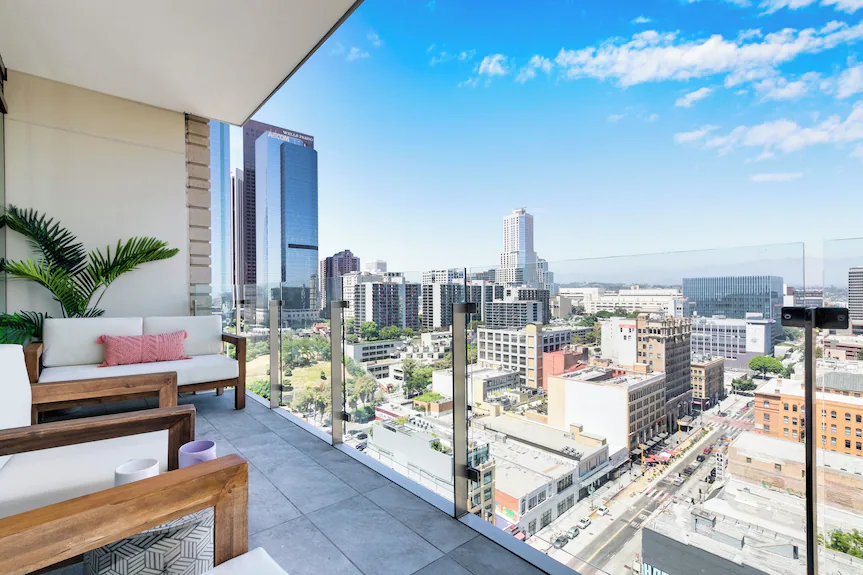
Located on higher floors with premium finishes, enhanced security, and panoramic views.
Benefits of Choosing an Apartment
Apartment living offers practical advantages that appeal to modern residents.
-
Low maintenance: Building management handles repairs and common areas
-
Cost efficiency: Typically more affordable than independent houses
-
Urban access: Close to offices, schools, healthcare, and transport
-
Shared amenities: Gyms, parking, elevators, and security systems
-
Community atmosphere: Opportunities for social interaction
Possible Limitations of Apartment Living
Despite their advantages, apartments may present some challenges.
-
Reduced privacy due to shared walls
-
Noise from neighboring units
-
Limited outdoor or personal space
-
Rules regarding pets, renovations, or usage of shared areas
Being aware of these factors helps ensure a better living experience.
Important Things to Evaluate Before Renting or Buying an Apartment
Making the right choice involves careful consideration beyond appearance.
Location and Connectivity
Easy access to public transportation and daily necessities can significantly improve quality of life.
Budget Planning
Account for rent or purchase price, utilities, parking fees, and maintenance charges.
Space and Layout
Choose a layout that aligns with your lifestyle, storage needs, and future plans.
Building Facilities
Look for reliable security, power backup, waste management, and recreational spaces.
Safety and Management Quality
A well-maintained apartment complex enhances comfort and long-term value.
Apartment Living vs Independent Housing
Apartments and independent houses serve different lifestyle preferences.
-
Apartments: Shared facilities, lower upkeep, urban convenience
-
Independent homes: More space, higher privacy, greater maintenance responsibility
The ideal option depends on personal priorities and long-term goals.
Why Apartments Are Increasing in Demand
Rising urban populations and changing work patterns have made apartments a practical housing solution. Modern developments now focus on efficient design, energy conservation, and community-oriented living, increasing their appeal among all age groups.
Frequently Asked Questions (FAQ)
1. Are apartments suitable for long-term living?
Yes, many apartments are designed for long-term occupancy with durable construction and essential amenities.
2. Can apartments accommodate pets?
Pet policies vary by building, so it’s important to confirm regulations before moving in.
3. What documents are required to rent an apartment?
Typically, identification, proof of income, and a rental agreement are required.
4. Do apartments appreciate in value over time?
Apartments in well-located and well-maintained areas often see steady value appreciation.
5. Is apartment living safe?
Most modern apartments include security staff, controlled access, and surveillance systems.
6. What is included in apartment maintenance charges?
Maintenance fees usually cover cleaning, security, repairs, and shared facility upkeep.
7. How do I choose the right apartment size?
Consider household size, storage needs, work-from-home requirements, and lifestyle preferences.