Furniture: Enhancing Spaces with Comfort and Purpose
Furniture is an essential element of daily life, shaping how spaces function and feel. Beyond utility, furniture expresses personality, lifestyle, and cultural preferences. Whether in homes, offices, or outdoor settings, thoughtfully chosen furniture improves comfort, organization, and visual harmony.
The Importance of Furniture in Modern Living
Furniture influences how people interact with their environment. A well-furnished space supports daily routines while creating a sense of balance and ease.
Key roles of furniture include:
-
Providing comfort and physical support
-
Organizing spaces efficiently
-
Enhancing the overall aesthetic appeal
-
Improving productivity and relaxation
Main Categories of Furniture
Home Furniture
Home furniture is designed to create welcoming and practical living spaces. Each room requires furniture that serves specific needs while maintaining visual consistency.
Common examples include:
-
Sofas, coffee tables, and entertainment units
-
Beds, wardrobes, and dressing tables
-
Dining tables, chairs, and storage cabinets
Workplace Furniture
Workplace furniture focuses on functionality and employee well-being. Ergonomic features are essential for long working hours.
Typical workplace furniture:
-
Office desks and adjustable chairs
-
Conference tables
-
Storage and filing systems
Outdoor Furniture
Outdoor furniture blends durability with comfort, allowing people to enjoy open-air environments.
Popular outdoor options:
-
Garden seating sets
-
Lounge chairs
-
Balcony tables and stools
Materials Commonly Used in Furniture
Wooden Furniture
Wooden furniture is valued for its durability and timeless charm. Solid wood pieces often age beautifully and remain functional for years.
Metal Furniture
Metal furniture offers strength and a modern, industrial look. It is commonly used in offices and outdoor areas due to its resilience.
Upholstered Furniture
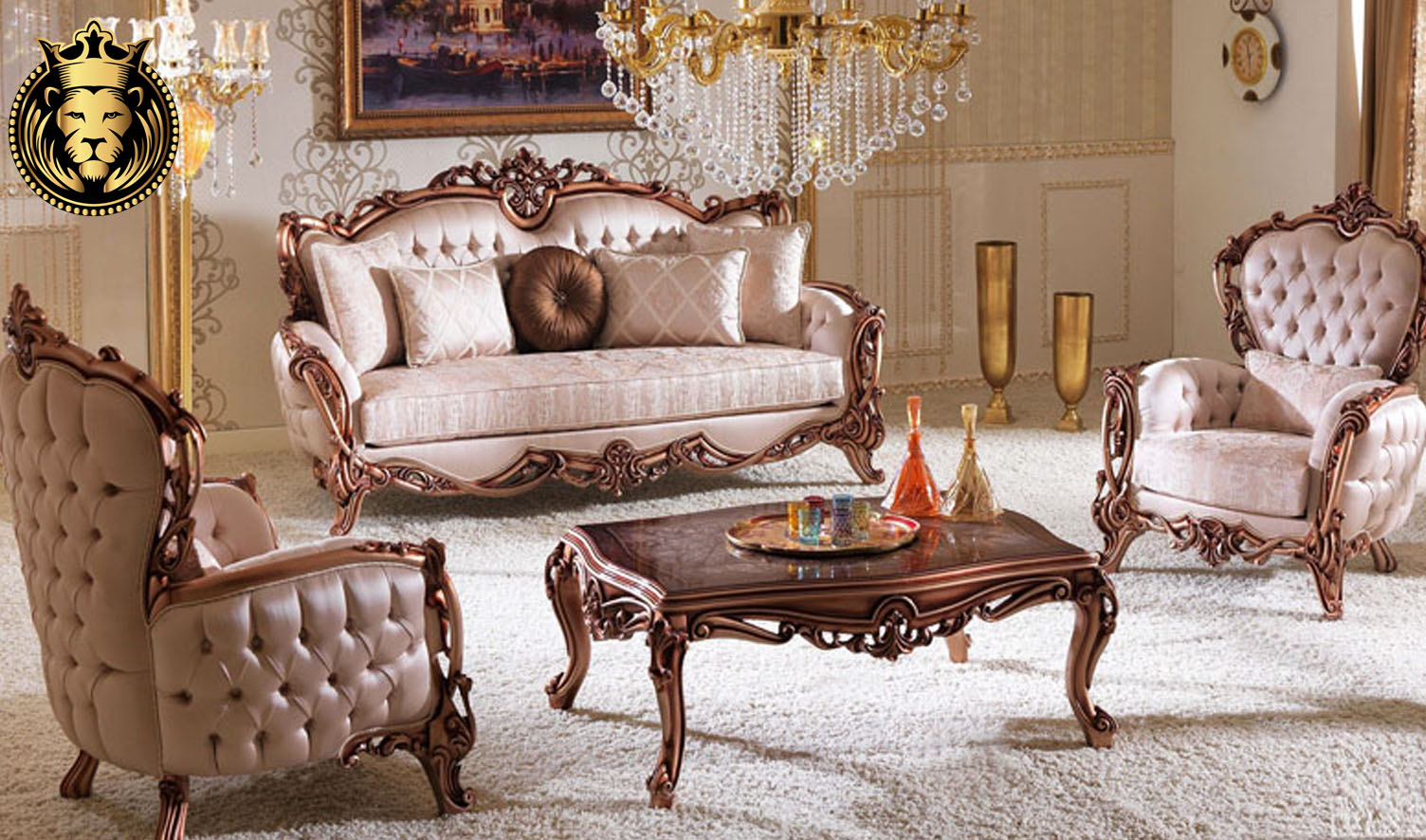
Fabric and leather upholstery add softness and elegance. These materials are widely used in sofas, chairs, and headboards.
Sustainable Materials
Eco-conscious furniture uses materials such as bamboo, recycled wood, and low-impact finishes, supporting environmental responsibility.
Furniture and Interior Style
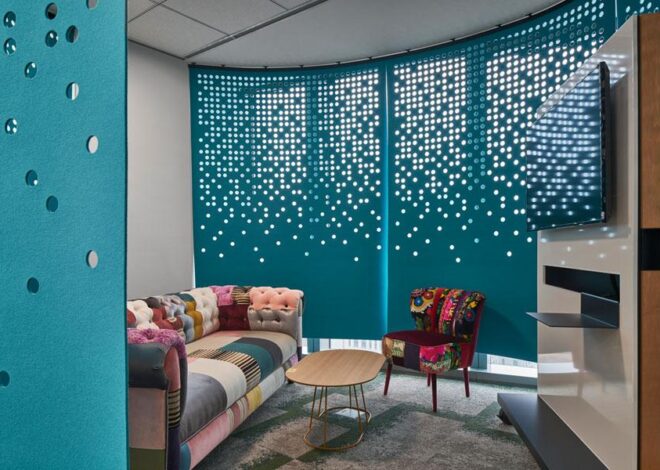
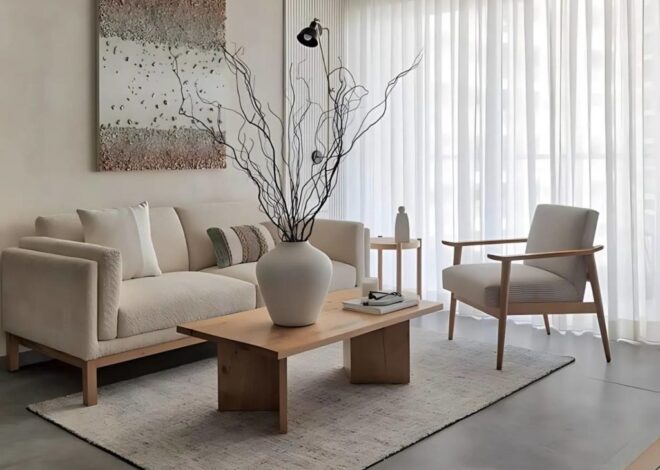
Furniture defines the tone of an interior. Minimal designs promote calm and openness, while bold furniture adds character and warmth.
Design factors to consider:
-
Size and proportion of furniture pieces
-
Color coordination with interiors
-
Balance between decorative and functional elements
Tips for Selecting the Right Furniture
Choosing furniture requires careful evaluation of both space and lifestyle.
Important considerations include:
-
Room dimensions and layout
-
Comfort and usability
-
Maintenance requirements
-
Long-term value and durability
Current Furniture Design Trends
Furniture trends continue to adapt to modern needs and evolving tastes.
Trending styles include:
-
Multi-purpose and space-saving furniture
-
Neutral shades with natural textures
-
Handmade and custom furniture pieces
-
Furniture designed for compact urban homes
Furniture Care and Longevity
Regular care helps furniture retain its appearance and strength over time.
Maintenance tips:
-
Dust and clean surfaces frequently
-
Avoid exposure to excess heat and moisture
-
Use protective covers where necessary
-
Follow proper care instructions for upholstery
Looking Ahead: The Evolution of Furniture
The future of furniture emphasizes flexibility, sustainability, and innovation. Smart furniture, modular designs, and environmentally friendly materials are shaping how spaces are furnished, ensuring that comfort and efficiency remain central to modern design.
Frequently Asked Questions (FAQs)
What factors should be considered before buying furniture?
Space availability, comfort, material quality, and intended use should be evaluated before purchasing furniture.
Which furniture material is best for long-term use?
Solid wood and high-quality metal are known for their durability and long lifespan.
How can furniture improve home organization?
Storage-focused furniture such as cabinets, shelves, and multi-functional units help reduce clutter.
Is custom-made furniture a good option?
Custom furniture allows personalization and better space utilization, making it a valuable choice for unique layouts.
How do I maintain wooden furniture?
Regular polishing, gentle cleaning, and protection from moisture help preserve wooden furniture.
What makes furniture ergonomic?
Ergonomic furniture supports natural posture and reduces strain, especially in work environments.
Are sustainable furniture options expensive?
Sustainable furniture ranges widely in price, with many affordable options offering durability and environmental benefits.