
Integrating Vintage and Antique Pieces into Modern Interior Design
Introduction to the Timeless Appeal of Mixed Eras
Modern interior design often runs the risk of feeling sterile, uniform, or overly calculated when relying solely on brand-new mass-produced furnishings. To create a home that feels deeply personal, layered, and full of character, interior designers frequently turn to the past. Integrating vintage and antique pieces into a contemporary space introduces narrative depth, rich patinas, and unmatched craftsmanship that modern manufacturing rarely replicates. By balancing clean, minimalist modern lines with the warmth and history of older objects, homeowners can craft an eclectic yet cohesive interior that avoids the look of a rigid time capsule.
Establishing the Balance Between Old and New
The secret to successfully blending vintage elements into a modern home lies in mastering proportion and restraint. Flooding a contemporary apartment with heavy Victorian antiques creates visual clutter and a suffocating atmosphere. Conversely, placing a single antique in a room devoid of other character can make the piece look misplaced or lonely.
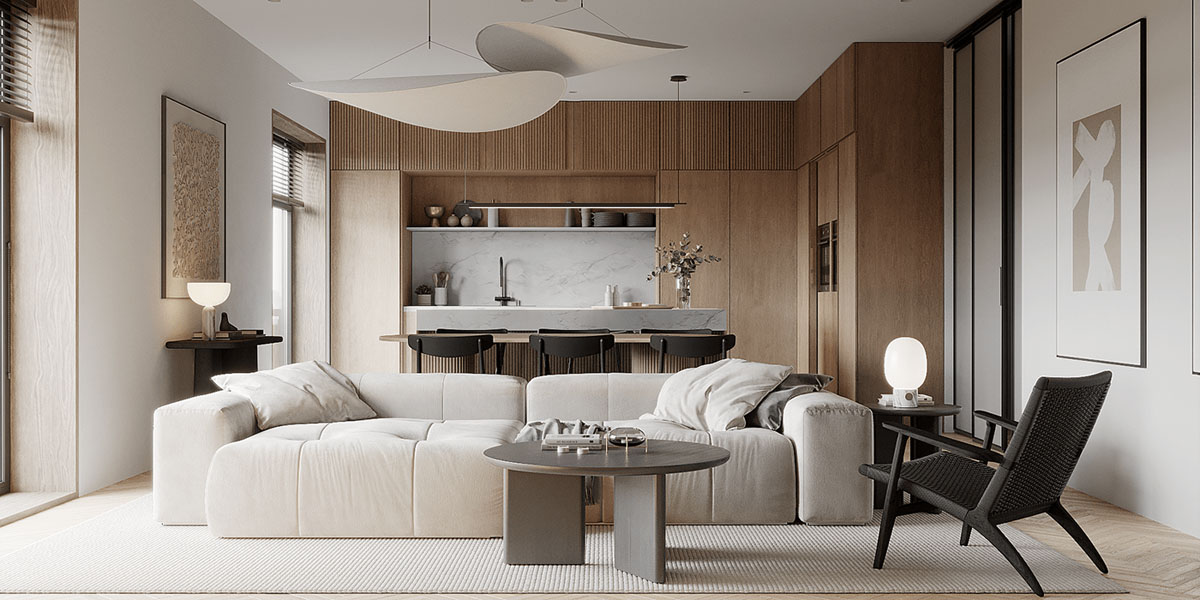
Designers often rely on the eighty-twenty rule as a reliable baseline. Keeping roughly eighty percent of the room anchored in clean modern lines—such as sleek neutral sofas, streamlined architectural lighting, and minimalist walls—allows the remaining twenty percent of vintage or antique items to command attention as intentional focal points. This deliberate contrast prevents the space from feeling chaotic while ensuring that older pieces shine with distinct prominence.
Strategic Placement and Functional Integration
Vintage and antique items should never serve as museum artifacts meant only to be admired from afar; they must participate actively in daily life. Integrating them functionally grounds the design scheme in practicality.
-
Anchor Seating Pairings: Pairing a mid-century modern leather lounge chair with a sleek contemporary sectional creates an instant conversational grouping that spans decades gracefully.
-
Repurposed Antique Storage: Using an antique rustic apothecary chest or a French buffet as a modern media console or entryway drop zone brings unexpected utility and tactile richness to functional zones.
-
Artistic Lighting Upgrades: Rewiring vintage crystal chandeliers or mid-century brass table lamps with modern LED components merges historical charm with contemporary electrical safety and efficiency.
-
Dining Table Contrasts: Placing antique spindle-back Windsor chairs around a sleek concrete or minimalist glass dining table instantly breaks up rigid uniformity.
Harnessing Patina and Texture as Design Elements
One of the greatest gifts antique furniture offers is patina—the rich, soft sheen developed on wood, leather, and metal through decades of human touch, sunlight, and careful use. Modern furniture often lacks this sensory depth, relying on synthetic perfection.
Allowing weathered wood grain, minor dings on a brass tray, or softened leather upholstery to show through adds authentic soul to an interior. These imperfections tell a visual story that factory-distressed replicas can never genuinely duplicate. When paired against smooth drywall, pristine glass, and crisp modern textiles, raw patinated wood or oxidized metal creates a rich tactile dialogue that elevates the sensory experience of the entire room.
Curating a Cohesive Color Palette Across Eras
Mixing eras can quickly become visually jarring if color temperatures clash violently. To maintain harmony, look for underlying color threads that connect the vintage pieces to the modern backdrop.
If an antique Persian rug features muted terracotta, dusty blue, and charcoal tones, pull those exact shades into modern elements like throw pillows, abstract wall art, or accent wall paint. Furthermore, balancing wood tones is critical. While matching every piece of wood in a room is no longer required or even desirable, ensuring that warm honey tones do not clash aggressively with cool gray-washed woods keeps the overall visual composition balanced and intentional.
Avoiding Common Pitfalls in Eclectic Design
Successfully blending eras requires avoiding a few common styling traps that can derail an interior design project.
-
Overcrowding the Space: Resist the temptation to display every antique find at once. Curate a rotation of favorite pieces and store or sell the rest to maintain breathing room.
-
Ignoring Scale: A delicate antique side table will look lost next to an oversized modern sectional. Always measure physical dimensions to ensure proportional harmony.
-
Neglecting Restoration: While patina is desirable, structural instability, broken hardware, or torn upholstery should be professionally repaired before introducing a piece into a primary living area.
Frequently Asked Questions
How can I tell if an antique piece is authentic before purchasing it?
Checking for traditional joinery techniques like dovetails, hand-cut screws, maker stamps, and uniform wear patterns that align with the claimed age helps determine authenticity, though consulting a professional appraiser is best for high-value investments.
Can mid-century modern furniture be classified as antique?
Mid-century modern pieces from the mid-twentieth century are technically classified as vintage rather than antiques, as antiques are generally defined as items older than one hundred years, though both styles blend seamlessly into modern interiors.
What is the safest way to clean and protect delicate antique wood furniture?
Cleaning antique wood requires wiping it down gently with a damp microfiber cloth followed immediately by a dry cloth, avoiding harsh chemical sprays or silicone-based polishes that can permanently degrade historic finishes.
Is it acceptable to paint an antique wooden piece of furniture?
Painting a family heirloom or a high-value historical antique is generally discouraged by preservationists, but painting a common mass-produced vintage piece can be a great way to modernize its look to fit a specific color scheme.
How do I mix different metal finishes when incorporating vintage brass and modern chrome?
Mixing metals adds wonderful eclectic depth to a room as long as one metal acts as the dominant finish while the other serves as a subtle accent, preventing the space from looking uncoordinated.
Can traditional oil paintings and vintage mirrors work in ultra-minimalist homes?
An ornate, heavily gilded antique mirror or a moody classical oil painting hung against stark white minimalist walls creates a stunning high-contrast focal point that defines sophisticated transitional design.
Where are the best places to source unique vintage and antique furniture pieces?
Estate sales, local independent antique malls, specialized vintage markets, and reputable online architectural salvage platforms offer incredible opportunities to discover one-of-a-kind furnishings with genuine history.


