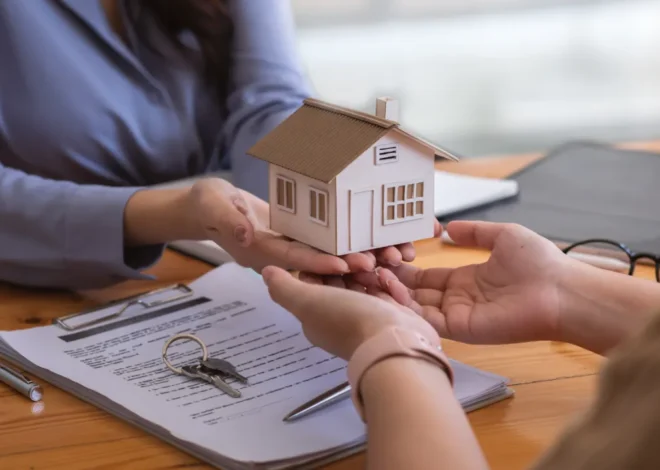
Navigating The Home-Selling Journey Without An Agent
Selling a home is often seen as one of life’s major milestones. But for many homeowners, the idea of involving a real estate agent might seem unnecessary, especially when there’s the potential to save thousands of dollars in commission fees. While working with an agent can offer guidance and expertise, some homeowners are increasingly turning to the idea of selling their properties on their own—known as “for sale by owner.” But how does this approach work, and what does it really take to successfully navigate a sale without professional assistance?
If you’ve decided to go down this path, it’s important to understand that selling your home without an agent is a rewarding yet challenging endeavor. Whether you’re looking to save money or simply enjoy more control over the process, selling without a middleman can offer a sense of accomplishment, but it requires a keen eye for detail and an understanding of the key elements involved in the sale.
Setting the Stage: Why Sell Without an Agent?
The most obvious reason homeowners consider selling their home without an agent is the cost. Real estate commissions can range anywhere from 5% to 6% of the sale price, a hefty fee that, for many sellers, feels excessive. By bypassing the agent, you stand to pocket that extra money, which can go toward your next home purchase or into your savings.
Beyond the financial incentive, selling on your own allows you to have full control of the sale. As the owner, you are the best person to speak about the nuances of the property, the neighborhood, and the improvements you’ve made. This direct involvement ensures that potential buyers get an authentic sense of the space, rather than relying on a third party to interpret it for them.
However, selling without an agent comes with its own challenges. Without a professional to guide you through pricing, marketing, and negotiations, you must be ready to take on these tasks yourself. Luckily, with the right preparation and a little elbow grease, the process can be much smoother than expected.
Pricing Your Home Correctly
One of the first and most crucial steps in selling your home is determining the right price. While pricing too high can drive buyers away, pricing too low could leave money on the table. Here, it’s important to conduct thorough research to establish a competitive and fair price for your home.
Start by browsing listings of similar homes for sale in your area. Pay close attention to the price per square foot, as well as any features or upgrades that might make your home stand out. Websites like Zillow, Redfin, and Realtor.com are great resources for getting a sense of what comparable homes are selling for.
If you want a more precise value, consider hiring an appraiser to assess your home’s worth. This professional can provide a detailed analysis, giving you a solid foundation for pricing your home accurately.
Remember, pricing isn’t set in stone. If you’re not receiving much interest, don’t be afraid to adjust your asking price. Flexibility can be key when selling on your own.
Marketing Your Home
Once your price is set, it’s time to get the word out. Without an agent’s network or access to a Multiple Listing Service (MLS), marketing your property requires a more hands-on approach. Fortunately, the digital age has made it easier than ever to showcase homes for sale by owner.
Start by creating an engaging listing on popular websites like Zillow, Craigslist, and Facebook Marketplace. These platforms allow you to upload photos, videos, and detailed descriptions of your property, giving you the opportunity to reach a wide audience. Make sure your photos are high-quality, well-lit, and show the best features of your home. Consider hiring a professional photographer to help capture your home’s potential or invest in 360-degree photos to give prospective buyers an immersive experience.
In addition to online listings, consider traditional marketing strategies like placing a “For Sale by Owner” sign in your yard. Word-of-mouth can be a powerful tool—let your friends, family, and neighbors know you’re selling. You never know who might be looking for a new home.
Open Houses and Showings
Organizing an open house or private showings can also be key to generating interest in your home. Hosting an open house allows potential buyers to view the property without scheduling a private showing. However, you must be prepared to answer questions and guide the buyers through the home. If you’re not comfortable hosting an open house on your own, it’s always an option to hire a professional who specializes in holding these events for homeowners.
For private showings, it’s important to make sure your home is in tip-top shape. Clean thoroughly, make necessary repairs, and stage your home to highlight its best attributes. When prospective buyers walk through the door, you want them to be able to envision themselves living there. Be open to feedback, and make adjustments if necessary.
Negotiating Offers and Closing the Deal
Once buyers begin making offers, you’ll need to navigate negotiations on your own. This can be one of the more daunting aspects of selling without an agent. Negotiating a fair price, handling counteroffers, and ensuring that terms are favorable requires a degree of finesse.
When reviewing offers, it’s essential to consider more than just the offer price. Look at the buyer’s financing and contingencies, as these can impact how smoothly the deal progresses. Some buyers may have conditions like a home inspection or appraisal contingency that could cause delays or even jeopardize the sale.
Once you’ve accepted an offer, the next step is to prepare for closing. This includes ensuring that all paperwork is in order, scheduling inspections and appraisals, and coordinating with the buyer’s lender to ensure a smooth transaction. You may want to enlist a real estate attorney to help with the legal aspects of the sale, such as drafting the sales contract and ensuring that the closing process goes smoothly.
The Pros and Cons
Selling a home without an agent can be an incredibly rewarding experience, but it’s not for everyone. On the one hand, you can save money, maintain control, and gain valuable experience in the process. On the other hand, you must be prepared to handle the intricacies of pricing, marketing, and negotiation on your own. It requires time, patience, and a willingness to learn. If you’re up for the challenge, selling a home on your own can be a fulfilling and financially beneficial decision.
Conclusion
While selling a home without an agent may seem like an intimidating prospect, it is definitely achievable with the right preparation. By setting a competitive price, marketing your home effectively, and navigating negotiations with confidence, you can enjoy the satisfaction of closing a successful sale on your terms. Homes for sale by owner may not come with the same level of professional support as agent-led sales, but with the right approach, you can successfully sell your home and save a significant amount of money in the process.