How to Organise Pet Supplies Without Making Your Home Feel Cluttered
Living with a dog brings a lot of joy, but it also brings a surprising number of daily-use items into the home. Leads, collars, toys, grooming brushes, food bowls, blankets, cleaning wipes, medication, travel bags, and treats can quickly spread across different rooms if there is no proper system in place. What starts as a few essentials can soon make a home feel untidy, especially in busy households.
The good news is that organising pet supplies does not require a complete home makeover. With a few simple storage habits and thoughtful zones, dog owners can keep everything easy to find without letting pet items take over the house. A well-organised setup also makes daily routines smoother, from morning walks to feeding time and weekend outings.
Start by Sorting What You Already Have
Before buying baskets, boxes, or new storage furniture, start by sorting through everything you already own for your dog. Many households have duplicate items, broken toys, old collars, empty grooming products, or treats that were pushed to the back of a cupboard and forgotten.
Take everything out and group items by category. For example, keep walking items together, feeding items together, grooming products together, and travel accessories together. This gives you a clear idea of what you actually use and what is simply taking up space.
Once everything is sorted, decide what should stay, what should be cleaned, what should be donated if still usable, and what should be thrown away. Keeping fewer items makes organisation much easier.
Create a Dedicated Pet Station
One of the easiest ways to reduce clutter is to create one dedicated pet station. This does not need to be a large area. It could be a small cabinet, a shelf in the laundry, a basket near the back door, or a section of a mudroom.
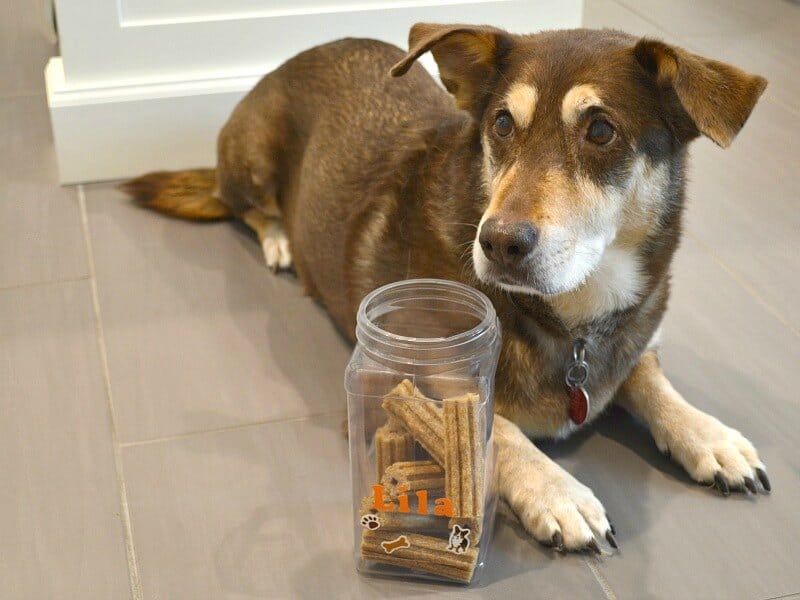
The goal is to keep the most-used items in one predictable place. This can include the lead, waste bags, grooming brush, towel, spare collar, and a small container for Dog Treats. When everything has a fixed place, you spend less time searching and the home feels more organised.
A pet station is especially useful in the morning or before walks. Instead of looking around the house for the lead or poop bags, everything is ready in one spot.
Use Baskets for Quick Daily Access
Baskets are simple, flexible, and easy to move. They work well for dog toys, blankets, towels, walking items, and small accessories. A basket near the main living area can hold your dog’s favourite toys, while another near the entryway can hold outdoor essentials.
Choose baskets that match your home style so they feel like part of the decor rather than random storage. Woven baskets, fabric bins, or simple lidded boxes can all work well depending on your space.
For toy storage, avoid keeping every toy out at once. Too many toys can make a room look messy, and dogs may lose interest when everything is always available. Keep a few favourites out and store the rest away. Rotating toys every few days can keep your dog engaged without adding clutter.
Keep Feeding Supplies Neat
Feeding areas can become messy if not managed properly. Food bags, bowls, measuring cups, supplements, and treat packets can quickly make a kitchen or laundry look untidy.
Use an airtight container for dry food instead of keeping large bags open. This keeps food fresher and looks neater. Store the scoop or measuring cup inside or beside the container so feeding remains simple.
Bowls should have a fixed place, ideally on a washable mat. This helps catch spills and makes cleaning easier. If your dog eats in the kitchen, choose a low-traffic corner where bowls will not get kicked or moved constantly.
If you use supplements, toppers, or special diet items, keep them together in one small container or shelf section. This prevents them from spreading across different cupboards.
Organise Walking Gear Near the Door
Walking gear should be stored where it is actually used. For most homes, that means near the front door, back door, garage entrance, or mudroom. A few wall hooks can make a big difference.
Use hooks for leads, harnesses, collars, and walking bags. Keep waste bags in a small basket or dispenser nearby. If your dog often comes home muddy, keep an old towel close to the entrance as well.
This setup keeps outdoor dirt from spreading through the house. It also makes walks less stressful because everything is ready before you leave.
For households with more than one dog, label hooks or use different colours for each dog’s gear. This avoids confusion and keeps the area tidy.
Store Grooming Items Together
Grooming products are easy to misplace because they are not always used every day. Brushes, nail clippers, shampoos, wipes, sprays, ear cleaners, and towels should be stored together in one portable caddy or box.
A portable grooming kit is useful because you can carry it to the bathroom, laundry, backyard, or wherever grooming usually happens. After grooming, everything goes back into the same kit.
Keep only current and safe products. Old shampoos, expired treatments, or items your dog no longer needs should not stay in the grooming basket. This keeps the kit practical and easy to use.
Make Travel Supplies Easy to Grab
If you often take your dog on car rides, weekend trips, or visits to family, it helps to have a small travel bag ready. This can include a collapsible bowl, towel, spare lead, waste bags, wipes, a familiar toy, and any basic comfort items your dog may need.
Instead of packing from scratch every time, keep these travel supplies together. This saves time and reduces the chance of forgetting something important.
A travel bag is also useful for emergencies or last-minute plans. Whether you are going to the park, a friend’s house, or a short holiday, having essentials already packed makes the outing smoother.
Use Labels Where Needed
Labels may seem like a small detail, but they can help a lot in busy homes. They are especially useful if multiple family members help with feeding, walking, cleaning, or caring for the dog.
Label containers for food, treats, grooming supplies, medication, travel items, and spare accessories. This makes it easier for everyone to put things back in the right place.
Labels are also helpful for items that are not used daily. For example, seasonal coats, spare bedding, or old leads can be stored in labelled boxes so they do not get mixed with everyday supplies.
Keep Cleaning Supplies Close but Safe
Dogs can bring dirt, hair, and outdoor mess into the home, so cleaning supplies should be easy to access. Keep pet-safe cleaning products, lint rollers, towels, and wipes in a practical place.
However, safety matters. Cleaning sprays, chemicals, and strong products should be kept out of reach, especially if your dog is curious or likely to chew. Use closed cabinets or high shelves where needed.
For quick cleanups, keep a small set of safe everyday items nearby, such as a washable towel, mild cleaner, and waste bags. This helps you deal with mess before it spreads.
Build a Routine for Resetting the Space
Organisation only works if it is maintained. A quick weekly reset can stop clutter from building up again. Take a few minutes to return toys to baskets, refill treat containers, wash bowls, check food levels, and remove damaged items.
This does not need to be a big chore. It can become part of your normal cleaning routine. The more often you reset the space, the less effort it takes.
Families can also share the responsibility. Children can help put toys away, refill water bowls under supervision, or place walking items back on hooks. This teaches responsibility while keeping the home tidy.
Keep It Practical, Not Perfect
A home with a dog will never look untouched all the time, and that is completely normal. The aim is not to hide every sign of pet ownership. The aim is to create a system that keeps daily items controlled, accessible, and easy to maintain.
Good organisation should support real life. If a storage system is too complicated, people will stop using it. Choose simple solutions that fit your routine, your home layout, and your dog’s needs.
With a dedicated pet station, smart baskets, organised feeding supplies, and a few daily habits, pet items can stay under control without making the home feel cluttered. A little structure makes life easier for both the household and the dog.