Bathroom: Design, Functionality, and Everyday Comfort
A bathroom is far more than a functional space. It is a private retreat where comfort, hygiene, and design meet. Whether compact or spacious, a well-planned bathroom improves daily routines while adding long-term value to a home.
Modern bathrooms balance practical needs with aesthetic appeal, using smart layouts, durable materials, and thoughtful lighting to create a space that feels calm and efficient.
The Purpose of a Bathroom
At its core, a bathroom serves essential personal care functions. Over time, it has evolved into a place for relaxation and wellness.
Key roles of a bathroom include:
-
Personal hygiene such as bathing, handwashing, and grooming
-
Health and sanitation through proper drainage and ventilation
-
Relaxation, especially with features like soaking tubs or rainfall showers
A bathroom designed with intention can positively influence mood and daily productivity.
Types of Bathrooms
Different homes require different bathroom types depending on space, usage, and household size.
Common Bathroom Categories
-
Full Bathroom – Includes a toilet, sink, shower, and bathtub
-
Three-Quarter Bathroom – Contains a toilet, sink, and shower (no tub)
-
Half Bathroom / Powder Room – Features only a toilet and sink
-
En-suite Bathroom – Attached directly to a bedroom for private use
Each type serves a specific purpose and should be designed accordingly.
Bathroom Layout and Space Planning
Efficient layout is essential for comfort and safety. Even a small bathroom can feel open with proper planning.
Important layout considerations:
-
Clear movement paths between fixtures
-
Adequate spacing around toilets and sinks
-
Easy access to storage without clutter
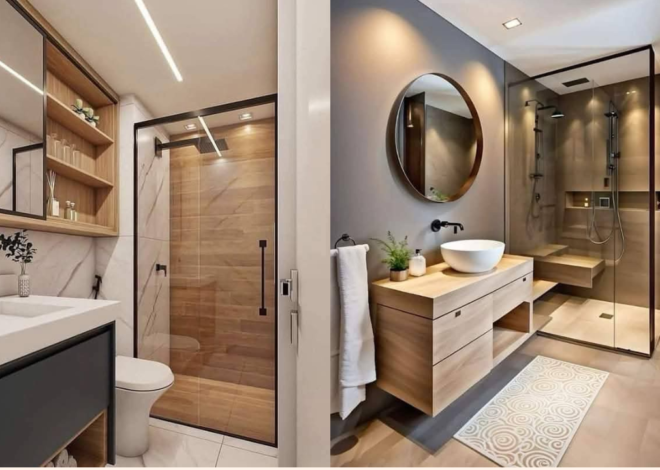
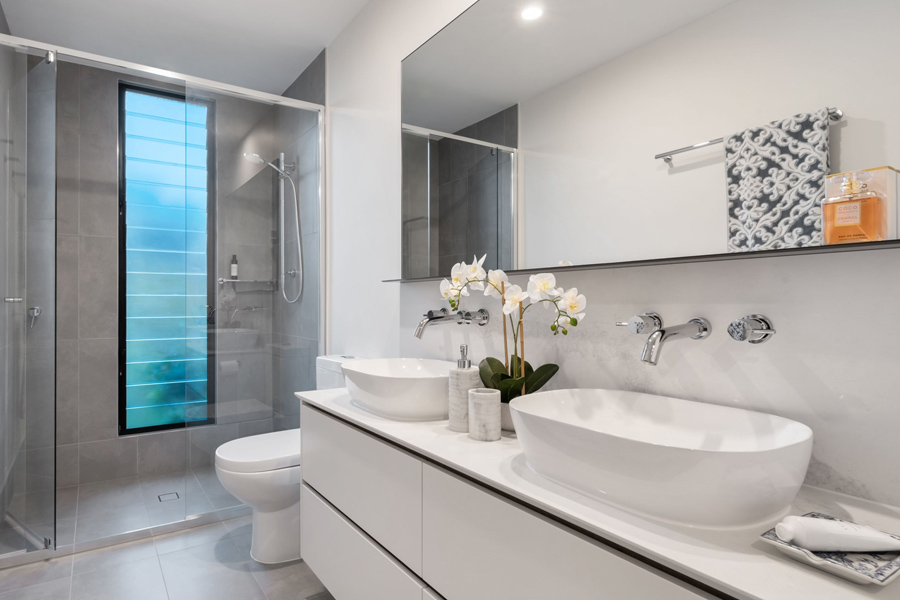
Wall-mounted fixtures, sliding doors, and corner sinks are popular solutions for maximizing limited space.
Materials and Finishes That Matter
Bathrooms face constant moisture, so choosing the right materials is crucial for durability and maintenance.
Recommended Bathroom Materials
-
Ceramic or porcelain tiles for floors and walls
-
Quartz or granite countertops for water resistance
-
Moisture-resistant paint to prevent peeling and mold
-
Stainless steel or brass fixtures for longevity
Neutral tones create a timeless look, while textured tiles add depth and character.
Lighting and Ventilation
Good lighting transforms how a bathroom looks and functions. Layered lighting works best.
Lighting Essentials
-
Task lighting around mirrors for grooming
-
Ambient lighting for overall brightness
-
Accent lighting to highlight design elements
Proper ventilation is equally important. An exhaust fan helps control humidity, prevents mold, and keeps the space fresh.
Storage and Organization Solutions
Clutter-free bathrooms feel larger and more inviting. Smart storage keeps essentials accessible without overwhelming the space.
Effective storage ideas include:
-
Built-in wall niches for toiletries
-
Floating vanities with drawers
-
Vertical cabinets for towels and cleaning supplies
-
Open shelves for decorative yet functional items
Minimalism works especially well in bathrooms where simplicity enhances calmness.
Sustainability and Water Efficiency
Modern bathrooms increasingly focus on eco-friendly design. Water-saving fixtures reduce consumption without sacrificing performance.
Sustainable bathroom features:
-
Low-flow toilets and faucets
-
Water-efficient showerheads
-
LED lighting for reduced energy use
These upgrades lower utility bills while supporting environmental responsibility.
FAQ: Bathroom Design and Maintenance
1. What is the ideal size for a residential bathroom?
The ideal size depends on function, but a comfortable full bathroom typically starts around 40 square feet.
2. How often should a bathroom be renovated?
Most bathrooms last 10–15 years before requiring updates, depending on material quality and usage.
3. Which flooring is best for bathrooms?
Porcelain and ceramic tiles are preferred due to their water resistance and durability.
4. How can I make a small bathroom feel larger?
Use light colors, large mirrors, wall-mounted fixtures, and good lighting to visually expand the space.
5. Is ventilation really necessary in a bathroom?
Yes, proper ventilation prevents moisture buildup, mold growth, and unpleasant odors.
6. What are the most important bathroom safety features?
Non-slip flooring, grab bars, rounded edges, and proper lighting enhance safety for all ages.
7. Can a bathroom increase home value?
A well-designed, modern bathroom can significantly boost resale value and buyer appeal.