Beyond the Clog: Understanding the Science of Drain Flow and Prevention
Clogged drains are among the most common household plumbing issues, yet few people understand the science behind why they occur. Beneath every sink, shower, and floor drain lies a carefully engineered system designed to maintain continuous flow, manage air pressure, and transport wastewater efficiently. When this balance is disrupted, blockages form—and simple fixes often fail to address the deeper cause. That’s where the expertise of Roto-Rooter Plumbing & Water Cleanup becomes indispensable.
The Physics of Drain Flow
At its core, a drain is a fluid transport system governed by gravity, pressure differentials, and pipe geometry. When water flows down a drain, it creates a vacuum that draws air through vent pipes to equalize pressure. If airflow is restricted or the pipe gradient is uneven, the system loses momentum, allowing debris to accumulate.
Over time, even minor misalignments in slope or pipe angle can create low-velocity zones where sediment and grease settle. This process—known as “hydraulic drag”—is one of the leading precursors to clogs in residential and commercial plumbing.
How Everyday Materials Disrupt Fluid Dynamics
Not all blockages result from large foreign objects. In fact, most clogs are caused by chemical and biological buildup that interferes with water flow. Soap scum, fats, hair, and mineral residue gradually coat the inner walls of pipes, reducing diameter and flow speed.
In kitchens, the biggest offenders are oils and starches, which cool and solidify in pipes. Bathrooms face a different problem: hair and soap bind together, forming dense mats that trap other debris.
Once these materials alter the surface texture of pipes, they encourage turbulence, making it easier for new particles to stick. This cycle continues until full obstruction occurs.
The Role of Ventilation and Air Pressure
A properly functioning plumbing system relies on vent pipes to balance internal air pressure. When vents are blocked—by debris, animal nests, or snow—air can’t circulate, and drains begin to gurgle or slow down.
Negative pressure causes siphoning, where water in traps is pulled out, eliminating the barrier that prevents sewer gases from entering the home. This phenomenon doesn’t just cause odor; it’s a hygiene and safety concern. Professional technicians inspect vent systems to ensure optimal air movement and restore normal flow dynamics.
Professional Diagnostics: Seeing Beyond the Surface
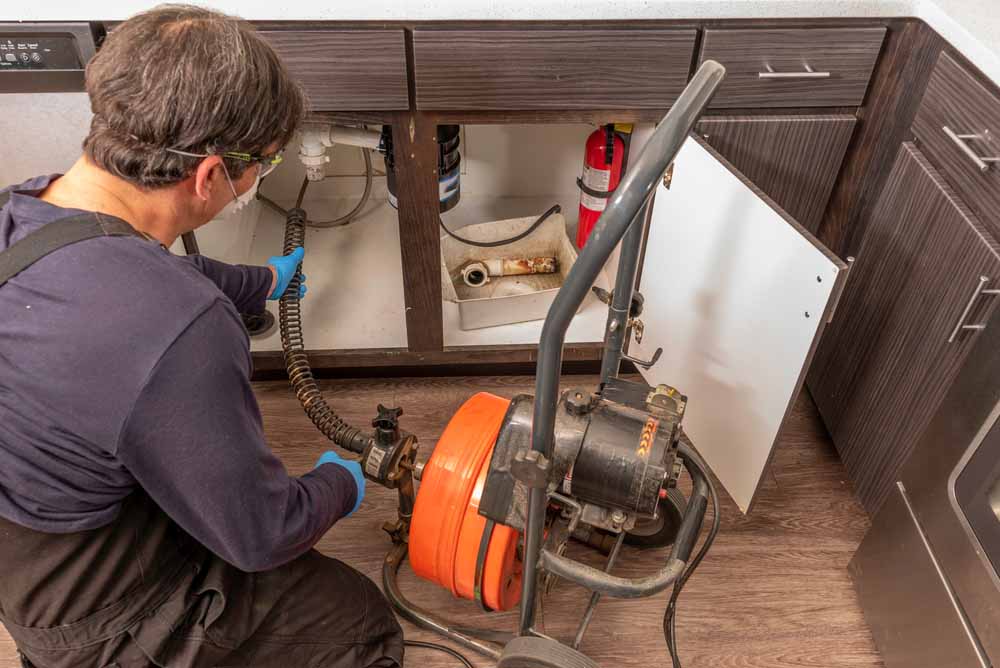
Traditional methods like plungers or drain snakes may provide temporary relief, but they rarely address the underlying physics of the system. That’s why Roto-Rooter employs diagnostic tools such as video cameras and digital flow sensors to visualize obstructions and analyze flow performance.
By assessing pipe condition, slope accuracy, and material buildup, technicians can determine whether the problem is localized or systemic. This precision eliminates guesswork and ensures solutions are based on measurable data rather than assumption.
Hydro Jetting: Restoring Flow with Precision
Among the most effective methods for drain restoration is hydro jetting—a process that uses high-pressure water streams to scour the inner walls of pipes. Unlike chemical cleaners that can corrode surfaces or harm the environment, hydro jetting relies solely on water physics.
The controlled pressure breaks down buildup, flushes debris, and restores the pipe’s internal smoothness, returning flow to optimal velocity. Roto-Rooter calibrates each jetting operation based on pipe material and diameter, ensuring maximum effectiveness without structural risk.
Prevention through Flow Management
Preventive maintenance is not just about cleaning; it’s about managing fluid dynamics. Regular drain inspections detect early signs of flow disruption long before clogs appear. Technicians can also use flow meters to measure velocity and turbulence, identifying “slow zones” where buildup might begin.
For commercial facilities, scheduled hydro jetting and enzyme-based treatments maintain consistent flow, especially in kitchens and food-service environments where grease accumulation is unavoidable.
Environmental Implications of Poor Drain Flow
Stagnant water and recurring clogs can lead to wastewater backflow, contaminating clean water lines and harming local ecosystems. Leaking drains contribute to soil saturation, mold growth, and foundation instability.
Professional cleaning and diagnostics play a vital role in sustainability by preserving water efficiency and preventing pollution. It’s not just a matter of convenience—it’s environmental stewardship.
Homeowner Habits That Affect Drain Flow
Even with expert maintenance, daily behavior determines how well a drainage system performs. Simple adjustments—such as avoiding grease disposal in sinks, using strainers, and running hot water after dishwashing—can significantly reduce buildup.
Periodic use of professional-grade enzymatic cleaners can help maintain biological balance inside pipes without harsh chemicals. Combined with annual inspections, these practices extend the lifespan of your plumbing system.
The Science of Long-Term Prevention
Plumbing systems are dynamic; water chemistry, pressure changes, and pipe materials evolve over time. Roto-Rooter’s approach to prevention combines technical insight with real-world application. By monitoring flow data and applying proven engineering principles, the company ensures that every drain remains efficient, clean, and durable.
Whether servicing a high-rise complex or a single-family home, the underlying goal is the same: restore balance to a system designed for seamless flow.
FAQs
Q: How often should professional drain cleaning be done?
A: For residential properties, annual service is ideal. Commercial kitchens or high-use environments may require quarterly maintenance to prevent buildup.
Q: Does hydro jetting damage pipes?
A: No. When performed by trained technicians, hydro jetting is safe and customized to match the pipe’s material and pressure capacity.
Q: Why do drains clog even after cleaning?
A: Recurrent clogs often result from structural issues like improper slope or venting problems. Professional diagnostics identify and correct these underlying factors.
Q: Can chemical drain cleaners harm plumbing systems?
A: Yes. Many contain acids that corrode metal and PVC over time. Professional cleaning is safer and more effective.
Q: What’s the best way to prevent drain problems at home?
A: Avoid pouring grease or food debris into sinks, use hair catchers in showers, and schedule periodic professional inspections to maintain smooth flow.