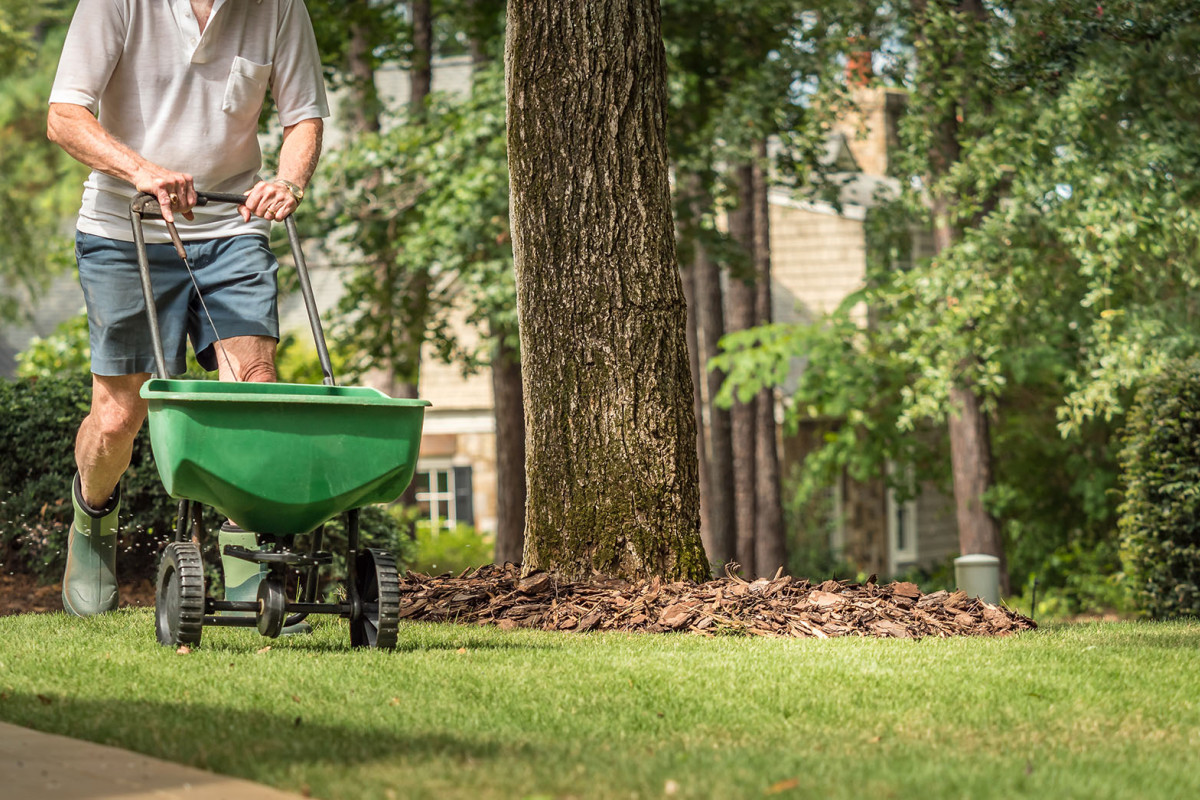
Beyond The Green: Why Your Lawn Needs A Pro’s Touch
Unlocking the Secrets of a Lush Lawn: Why Professional Care Matters
Understanding the Science Behind Lawn Health
A thriving lawn is often seen as a hallmark of a well-maintained property. However, the path to achieving such green expanses is rooted deeply in science, horticulture, and environmental stewardship. The health of a lawn is influenced by several interconnected factors, including soil composition, grass species selection, and local climate conditions. Understanding these elements is essential for anyone looking to enhance the beauty and health of their lawn.
The soil serves as the foundation for any healthy lawn. Its composition can dictate how well grass grows, how effectively it retains water, and how nutrients are absorbed. A professional lawn care service will conduct a comprehensive soil analysis to determine pH levels, nutrient deficiencies, and organic matter content. For instance, soil that is too acidic or alkaline can impede grass growth, while poor structure can limit root development. By addressing these issues through targeted amendments, professional services ensure that your lawn has a solid foundation to thrive.
Moreover, selecting the right grass species based on regional climate and usage is a science in itself. In Suwanee, with its humid subtropical climate, certain types of grasses, like Bermuda, Zoysia, and Fescue, flourish while others might struggle. Professionals bring expertise in selecting varieties that best suit your specific environmental conditions, ensuring that your lawn not only looks great but withstands the local climate challenges effectively.
The Environmental Impact of a Well-Maintained Lawn
Many homeowners view lawn care as purely aesthetic, but its environmental implications are profound. A well-maintained lawn can act as a natural air filter, absorbing carbon dioxide and releasing oxygen while also cooling the surrounding areas through transpiration. These processes help combat the urban heat island effect, which is crucial in rapidly urbanizing areas like Suwanee.
Furthermore, lawns can play a vital role in water management. They absorb rainwater, reducing runoff and minimizing erosion. This absorption helps to replenish groundwater supplies, especially important in regions where drought can quickly take hold. Professional lawn care services in Suwanee incorporate practices that enhance these benefits, such as aeration and overseeding, which foster healthier root systems and improved water retention capabilities.
Understanding the environmental significance of lawn care shifts the perspective from mere appearance to a critical component of ecosystem health. It underscores the importance of investing in professional care – an investment not just for homeowners, but for community health as a whole.
Debunking Common Myths About Lawn Care Services
Despite the wealth of information available, several myths persist regarding lawn care services that can prevent homeowners from seeking the professional assistance they need. One common belief is that hiring lawn care services is only for the affluent. In reality, professional services offer a range of packages that can accommodate various budgets, ultimately saving homeowners time and resources in the long term. The efficiency and expertise brought by professionals can lead to reduced watering and fertilization costs over time, as they apply precise techniques tailored to specific lawn needs.
Another prevalent myth is that lawn care services use harmful chemicals that can damage both the environment and the health of family members and pets. While some services may have utilized harsh chemicals decades ago, today’s professionals prioritize sustainable practices. Many lawn care companies in Suwanee now offer organic and eco-friendly treatment options, emphasizing the use of natural fertilizers, integrated pest management, and organic weed control – strategies that are both effective and safe.
Debunking these myths empowers homeowners to make informed decisions about their lawn care, highlighting the value that professional services can provide. It’s integral for individuals to engage with reputable services that not only understand their lawns but are committed to eco-friendly practices that benefit the larger environment.
Choosing the Right Lawn Care Service: What to Look For
Key Questions to Ask Before Hiring a Lawn Care Expert
When selecting a lawn care service, engaging with potential providers through thoughtful questioning can reveal much about their practices, values, and capabilities. Start by asking about their experience in the industry. How long have they been operating in Suwanee? Experience often translates to a deeper understanding of local grass types, pests, and soil conditions, imperative for effective lawn care.
Next, inquire about their approach to lawn treatments. Do they utilize organic products? What is their philosophy on pest control? Their answers will help you determine if their methods align with your expectations for environmentally friendly practices. Additionally, ask about guarantees or follow-up services; reputable companies often provide assurances that their work will meet satisfaction standards.
Lastly, don’t hesitate to request references or reviews from previous clients. Speaking directly to those who have used their services can provide firsthand insights into the quality of work delivered, the level of customer service offered, and whether the results met their expectations. These conversations can greatly inform your ultimate decision-making.
Assessing Credentials: Experience, Licenses, and Reviews
Credentials are not just a box to check; they are indicative of a lawn care service’s reliability and professionalism. Start by verifying their licensing and insurance. A legitimate lawn care company should have the appropriate state licensure, which demonstrates adherence to local regulations and industry standards. Furthermore, having liability insurance protects both you and the company in case of accidents or damages during the service.
Experience matters significantly; professionals who have worked in the field for several years often possess insights and skills honed through varied projects. This experience allows them to diagnose issues and implement solutions efficiently, often saving homeowners time and money in potential mishaps.
Online reviews can provide a wealth of information about the company’s performance. Look for feedback on platforms like Google, Yelp, and social media. Focus not just on star ratings but also on the contextual details shared in written reviews. Consistent praise in certain areas – such as timeliness, customer service, and lawn health improvements – can help create a clearer picture of what to expect when you hire the service.
Comparing Packages: What Services Should Be Included?
When considering lawn care packages, it’s essential to understand what specific services are included. Many providers offer tiered packages; reviewing these options is crucial to determine what best meets your lawn’s needs. A basic package might include mowing and fertilization, but for a more comprehensive care plan, look for services that encompass aeration, overseeding, pest control, and weed management.
Moreover, inquire about customization. Can the provider tailor a care plan based on your lawn’s unique characteristics? An effective lawn care strategy recognizes the seasonal variations and specific issues faced by your lawn throughout the year. The best services will offer personalized assessments that consider soil health, grass variety, and local environmental factors.
Finally, discuss the frequency of service. Regular visits throughout the growing season are typically beneficial for ongoing lawn health. Depending on your lawn’s specific characteristics and needs, your lawn care provider should be able to recommend an optimal schedule that balances effective care with cost efficiency.
Seasonal Strategies: Tailoring Lawn Care Throughout the Year
Spring Awakening: Revitalize Your Lawn After Winter
As winter gives way to spring, it’s time to rejuvenate your lawn, a process that can significantly enhance its growth trajectory for the entire year. During this critical seasonal transition, homeowners should engage in several essential practices to awaken their lawns effectively. One of the first steps is to perform a thorough cleanup. Raking away leaves and debris will prepare the soil for essential nutrients and stimulate the soil’s microbial activity, which is crucial for grass growth.
Next, aeration plays a vital role in relieving compaction caused by foot traffic or heavy snows. Aerators create small holes in the lawn, allowing air, water, and nutrients to penetrate deep into the soil and reach the root systems more effectively. After aeration, overseeding helps to introduce new grass varieties, filling in bare patches and reinforcing robust growth. Many lawn care professionals recommend using a starter fertilizer post-seeding, as it provides a nutrient-rich environment that encourages quick germination.
Core treatment of the soil during spring is critical to creating a healthy foundation for summer growth. Professionals can guide you in determining the specific nutrient needs of your lawn, leading to improved resilience against insects and drought later in the season. Utilizing tailored fertilizers based on soil testing results ensures that your lawn is primed for robust growth as it enters the peak growing season.
Summer Resilience: Keeping Your Grass Healthy in the Heat
Suwanee’s summers can be brutal, with high temperatures and humidity demanding particular care for your lawn. Maintaining turf health during this period requires a comprehensive approach that employs both regular maintenance and smart practices for keeping grass nourished and hydrated. Mowing at the right height is essential. Cutting too short can stress the grass, whereas maintaining an optimal height (typically 3-4 inches for many grasses) encourages deeper roots and shade for the soil, helping to retain moisture.
Watering becomes critical in the summer months. Early morning is the ideal time for watering, allowing the grass to absorb moisture before temperatures rise, reducing evaporation losses. A deep watering schedule – providing about one inch of water per week – encourages the root systems to grow deeper into the soil, fostering drought resistance. Many professional services advocate for the use of brief, deep watering cycles rather than frequent, shallow ones to enhance root development.
Pest and weed management strategies must also be in place. As these problems can become severe during the summer months, monitoring for signs of infestation or aggressive weeds should prompt appropriate treatments. Professional lawn care services offer integrated pest management techniques that minimize the use of chemicals while ensuring that your lawn remains healthy and attractive.
Fall Preparation: Setting the Stage for a Strong Spring
As summer winds down, falling leaves may signify more than just a seasonal change; they herald an essential time for proactive lawn care. Fall is the perfect period for rejuvenating and preparing your lawn for winter dormancy while simultaneously setting it up for robust growth in the spring. One of the most effective strategies is overseeding, a practice that fills in thin or bare patches and enhances the overall density of the turf. This ensures that your lawn is resilient against winter stresses while encouraging new growth come spring.
Similarly, aeration in the fall alleviates soil compaction, which could inhibit root growth and nutrient absorption. Following aeration, applying a balanced fall fertilizer strengthens the root system and promotes healthy grass blades for the upcoming winter. This targeted feeding prepares the grass for the cold months while building resilience for growth once temperatures rise again.
Finally, maintaining a proper mowing schedule and ensuring that any leaves are cleared away from the lawn will help prevent suffocation of the grass. Combining these practices effectively prepares your lawn not just for winter but invigorates it for an early spring revival. Engaging a professional lawn care service during this transitional time offers comprehensive expertise that ensures your investment in lawn health results in lasting beauty and vitality for your outdoor space.
Sustainable Practices: Eco-Friendly Lawn Care Solutions
Implementing Organic Methods for a Greener Lawn
As the global conversation around sustainability grows louder, more homeowners in Suwanee are turning to organic lawn care methods to create lush landscapes that are not only appealing but also environmentally responsible. Organic lawn care focuses on using natural fertilizers and pesticides that promote healthy growth while working harmoniously with the ecosystem. This means reducing the reliance on synthetic chemical products, which can often harm beneficial insects and disrupt soil health.
Choosing organic fertilizers derived from compost, seaweed, or manure provides essential nutrients while enriching soil biodiversity. By fostering a robust soil ecosystem, you ensure the long-term health of your lawn. Additionally, practicing crop rotation by varying the planted species or types of grass can reduce pest populations and improve soil fertility naturally.
Homeowners should also consider utilizing mulch in their gardening practices. Mulch not only improves aesthetics but also helps retain moisture by reducing evaporation. It suppresses weeds that can compete with your lawn for resources and gradually enriches the soil as it decomposes. Partnering with a professional lawn care service seasoned in organic methods can guide your transition towards a greener lawn while ensuring it remains vibrant and healthy.
Water Conservation Techniques: How to Maintain Flawless Grass
In times of increasing drought and water scarcity, effective water conservation techniques are vital in maintaining a healthy lawn. Homeowners can start by installing an irrigation system that includes smart weather sensors, which adjust watering schedules based on current weather conditions. This ensures that your lawn receives optimal irrigation without excess water loss. Additionally, deep watering – providing water to penetrate the root zone instead of frequent light watering – encourages deeper root growth, enabling the grass to withstand periods of drought more effectively.
Another effective method is to choose drought-resistant grass species. Many native grasses require less water and are more adapted to local climates, reducing the overall need for irrigation. Additionally, incorporating rain barrels into your landscape allows homeowners to collect rainwater for landscaping needs, effectively reducing their dependence on municipal water supplies while providing a sustainable water source for the lawn.
Dedicated lawn care professionals can assist in developing a comprehensive water conservation plan that makes use of soil moisture sensors and other technologies to create an efficiently managed watering schedule that minimizes waste while promoting a vibrant lawn.
The Role of Native Plants in Sustainable Lawn Design
Integrating native plants into your lawn design supports biodiversity and reduces maintenance while boosting the environmental sustainability of your space. Native plants are those that naturally occur in your region, meaning they are well-adapted to the local climate, soil types, and pests, requiring less water, fertilizers, and pesticides than non-native species. This leads not only to a healthier lawn but also contributes positively to local wildlife, including pollinators like bees and butterflies.
Incorporating native trees, shrubs, and flowers into your landscaping helps create a diverse ecosystem that benefits both the lawn and the environment. Flowering native plants provide food sources for local pollinators, while the roots of native trees and shrubs can help stabilize soil and reduce erosion. The introduction of these plants also ensures that habitats are established for local wildlife, enhancing the ecological balance in your backyard. Engaging a professional lawn care service to design and maintain these sustainable spaces can yield long-term benefits for your property while fostering a stronger connection with your surrounding ecosystem.
FAQ
Question: How often should I have my lawn professionally serviced? – The frequency of professional services can depend on the type of lawn and local climate, but generally, regular visits during the growing season (spring to fall) are recommended to maintain health and appearance.
Question: Can professional lawn care help with existing pest problems? – Yes, professional lawn care services include integrated pest management techniques that can help identify and mitigate pest issues effectively, ensuring the long-term health of your lawn.
Question: What is the benefit of using native plants in landscaping? – Native plants are better adapted to local conditions, require less maintenance, and provide habitat for local wildlife, contributing to overall biodiversity and ecosystem health.
Question: Are organic lawn care methods more effective than traditional ones? – While effectiveness can vary, organic methods often enhance soil health and biodiversity, leading to sustainable results, especially over the long term.
Question: How do I determine if my lawn needs aeration? – Signs that your lawn may need aeration include poor drainage, compacted soil, and thinning grass. A professional can also conduct a soil assessment to make a recommendation.
Question: What should I expect from a soil analysis? – A soil analysis typically provides insights into pH levels, nutrient content, and organic matter presence, allowing for tailored amendments that promote healthy grass growth.
Question: How can seasonal changes affect my lawn care routine? – Seasonal changes necessitate different care strategies, such as fertilizing in spring and prepping for dormancy in fall. A professional service can adjust the routine based on current needs.
Question: What are the advantages of using a professional lawn care service over DIY? – Professional services bring expertise, save time, and often provide access to specialized tools and products, resulting in more effective lawn care than typical DIY methods.
Useful Resources
- eXtension – Cooperative Extension System
- USDA Natural Resources Conservation Service
- The Arbor Day Foundation
- National Audubon Society
- American Lawn Care Association
- Plant Native
- S. Environmental Protection Agency
- Eco-Schools USA