Turning Steel Boxes Into Smart Spaces: Creative Uses For Custom Shipping Containers
A few years ago, most people thought of shipping containers as nothing more than heavy steel boxes stacked high at ports or rolling across highways on flatbed trucks. They were practical, yes, but hardly inspiring. Today, that perception has changed in a big way. Containers are showing up as offices, cafés, studios, workshops, and even backyard retreats.
This shift did not happen overnight. It grew out of a simple idea: what if something built to survive harsh weather and long journeys could be repurposed into a durable, flexible space? With a bit of creativity and the right expertise, those industrial boxes started becoming surprisingly comfortable and stylish places to work and live. That is where custom container design really shines, turning rugged shells into tailored environments that fit almost any need.
Why Shipping Containers Make Sense as Building Blocks
Shipping containers are built to handle tough conditions. They travel across oceans, sit in changing climates, and endure constant loading and unloading. That inherent strength makes them a solid foundation for construction projects that need to last.
Because they are modular by design, containers are also easy to stack, arrange, or combine. One unit might serve as a small office, while several connected together can create an entire facility. This flexibility allows builders to scale spaces up or down without starting from scratch, which saves both time and resources.
There is also an environmental angle that appeals to many people. Repurposing a container gives new life to something that might otherwise sit unused. Instead of relying solely on new materials, projects can incorporate existing structures, reducing waste and supporting more sustainable building practices.
Built Tough From the Start
The steel used in containers is designed to resist corrosion, moisture, and impact. That means fewer worries about structural damage compared to some traditional lightweight buildings. When reinforced and properly sealed, these units can handle everything from heavy rain to high winds.
This durability makes them popular for demanding settings. Construction sites, industrial yards, and remote locations all benefit from spaces that can take a beating without constant repairs. For owners, that translates into lower maintenance costs and fewer headaches over time.
Faster Setup Than Traditional Construction
Time matters, especially for businesses that need space quickly. Container projects often move faster than conventional builds because much of the structure already exists. Instead of pouring foundations and framing walls from the ground up, teams focus on modifying and outfitting the container.
Many changes can even be completed off site. Electrical systems, insulation, or interior finishes are installed in a workshop, then the finished unit is delivered ready to use. That streamlined process reduces disruption and helps projects stay on schedule.
What Goes Into Customizing a Container
At first glance, a container might look too basic to become a comfortable space. Step inside a finished project, though, and you might forget you are in a steel box at all. Modern upgrades can make these units feel just as functional as traditional buildings.
Customization usually starts with comfort. Temperature control, proper lighting, and reliable power are the essentials. From there, the design can branch out in almost any direction, depending on how the space will be used.
Comfort Systems That Make It Livable
Heating and cooling are often the first priorities. Without them, metal walls can quickly become too hot or too cold. Well designed climate control systems keep the interior comfortable year round, turning what was once a cargo hold into a space where people can actually focus and relax.
Insulation plays a big role as well. Proper materials reduce noise, prevent condensation, and improve energy efficiency. Together with ventilation and air circulation, these upgrades create an environment that feels stable and healthy instead of drafty or damp.
Power, Light, and Interior Finishes
Electrical systems transform containers from empty shells into working spaces. Outlets, lighting, and network connections allow everything from laptops to heavy equipment to run smoothly. Smart placement of switches and fixtures helps the space feel natural and easy to use.
Finishes bring personality. Flooring, wall coverings, paint, and trim soften the industrial look and make the space feel intentional. Some owners prefer a sleek modern style, while others lean into a rugged workshop vibe. Either way, thoughtful details go a long way toward comfort.
Creative Ways People Are Using Containers
Once you realize how adaptable containers can be, the possibilities seem endless. They show up in places you might not expect, solving space problems in clever ways. What starts as a practical solution often becomes a design statement.
From small startups to established businesses, many people are discovering that containers offer just the right balance of function and creativity. They provide a blank canvas that can be shaped to match a specific goal.
Workspaces and Offices
Job sites and temporary projects often need offices that can move when the work does. Containers fit that need perfectly. They are portable, secure, and easy to set up, which makes them ideal for project management teams or field supervisors.
Remote workers have embraced them too. A container in the backyard can become a quiet home office, separate from the distractions of the house. With proper insulation, windows, and lighting, it feels like a dedicated studio rather than a makeshift shed.
Retail, Food, and Fitness Spaces
Entrepreneurs love the character that containers bring to retail and food businesses. Pop up shops, coffee stands, and snack bars often use them to create a compact yet eye catching setup. Their industrial look can even become part of the brand’s identity.
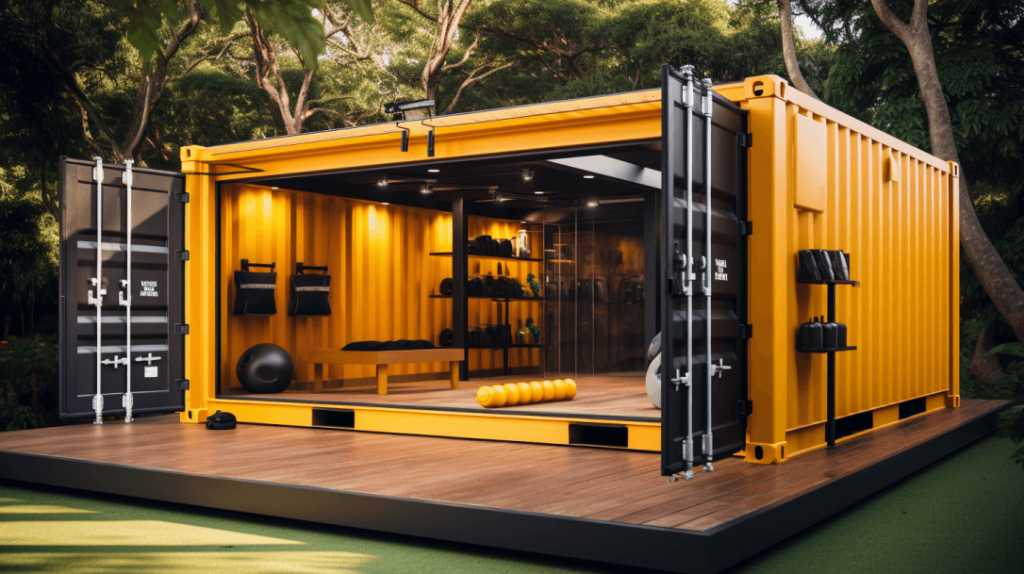
Fitness enthusiasts have found creative uses as well. A container gym can hold weights, racks, and cardio equipment in a space that feels private and focused. For many people, that convenience removes barriers and makes it easier to stay consistent with their workouts.
Planning a Project the Smart Way
While containers offer flexibility, a successful project still requires careful planning. Jumping in without a clear purpose can lead to awkward layouts or costly changes later. Taking time to define goals upfront makes everything smoother.
It helps to think about how the space will be used day to day. How many people will be inside at once? What equipment needs power or ventilation? Answering these questions guides decisions about size, layout, and features.
Matching Design to Function
A storage unit has different needs than a studio or kitchen. For example, a food related business might require specialized surfaces that are easy to clean, while an office might prioritize natural light and sound control. Tailoring the design to the function ensures the space works as intended.
Professionals who specialize in custom shipping container modifications can help translate ideas into practical solutions. They understand structural limits, safety requirements, and best practices for integrating utilities. Their experience often saves time and prevents expensive mistakes.
Thinking Long Term
It is easy to focus only on immediate needs, but long term planning pays off. Choosing durable materials and efficient systems reduces maintenance later. Considering future expansion can also be helpful, especially for growing businesses.
Because containers are modular, adding another unit down the road is often possible. Designing with that option in mind makes expansion simpler. A little foresight today can make tomorrow’s changes much easier to manage.
Balancing Creativity, Cost, and Sustainability
One of the biggest draws of container projects is cost. In many cases, they are more affordable than traditional construction, particularly for smaller or temporary spaces. Still, costs vary depending on the level of customization.
Complex layouts, high end finishes, or specialized equipment can increase the budget. At the same time, the ability to reuse materials and minimize waste supports sustainability goals. Many owners find that containers strike a nice balance between creativity and practicality.
There is also something satisfying about transforming an object built for shipping into something personal and useful. It feels resourceful, almost like solving a puzzle. That spirit of ingenuity is part of what keeps container design so interesting.
Making Unique Spaces Without Overbuilding
Traditional construction sometimes leads to bigger projects than necessary. Containers encourage a more intentional approach. Their compact footprint naturally pushes people to think carefully about what they truly need.
This often results in smarter layouts and less wasted space. Instead of empty corners or oversized rooms, every square foot serves a purpose. For many businesses and homeowners, that efficiency is a welcome change.
Small Boxes, Big Possibilities
What began as simple cargo units has grown into a full blown design movement. Containers now serve as offices, shops, gyms, and creative studios, all tailored to specific needs. They prove that you do not need a massive building to create a functional, comfortable space.
With thoughtful planning and the right upgrades, these steel structures can feel surprisingly warm and inviting. They offer durability, flexibility, and a chance to build something a little different from the norm. For anyone looking to rethink how space is created, custom containers provide a practical and imaginative path forward.